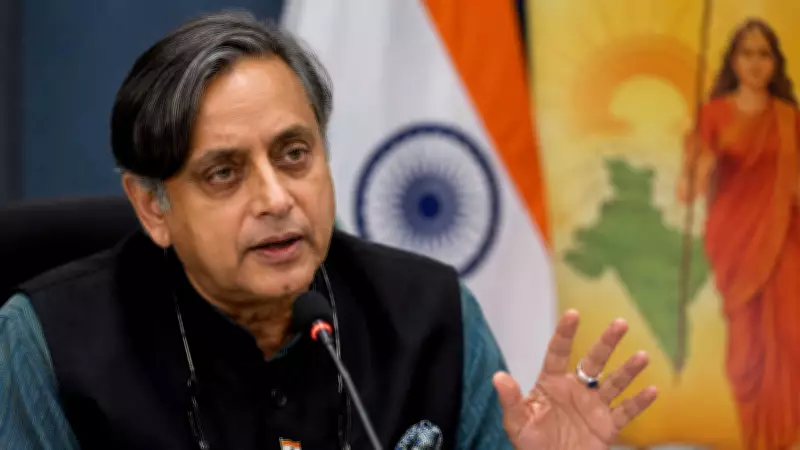
A fresh political debate has erupted after Congress MP Shashi Tharoor questioned the mandatory recitation of all five verses of Vande Mataram at official functions. While maintaining that he respects the national song, Tharoor called the practice unnecessary and pointed out that no law mandates it. The BJP has strongly criticized his remarks.
Tharoor's Statement on Vande Mataram
Speaking to reporters, Tharoor said, "I have the utmost respect for Vande Mataram, but requiring the full rendition of all five verses at every official event is an unnecessary imposition. There is no legal requirement to do so, and it creates an atmosphere of compulsion rather than voluntary respect." He added that the practice was not in line with the inclusive spirit of the Constitution.
BJP's Strong Reaction
The Bharatiya Janata Party swiftly condemned Tharoor's remarks. BJP spokesperson Sambit Patra accused Tharoor of insulting the national song and questioned his patriotism. "Vande Mataram is an integral part of our national identity. Shashi Tharoor's comments show a lack of respect for our culture and heritage," Patra said. The party demanded an apology from the Congress leader.

Political Fallout
The controversy has reignited debates over national symbols and their usage. Several Congress leaders distanced themselves from Tharoor's comments, while some opposition parties supported his right to express his views. The issue is expected to be raised in Parliament when the session resumes.
Tharoor's remarks come amid ongoing tensions between the ruling BJP and the opposition over issues of nationalism and cultural identity. The Congress MP has previously been involved in controversies over his statements on various national issues.
Meanwhile, social media platforms have seen a flurry of reactions, with users divided over Tharoor's stance. Some supported his call for a more voluntary approach to national symbols, while others accused him of being anti-national.
The debate highlights the delicate balance between respecting national symbols and avoiding their politicization. As the political discourse continues, it remains to be seen whether the government will reconsider the practice or if the opposition will use it to challenge the ruling party's narrative.