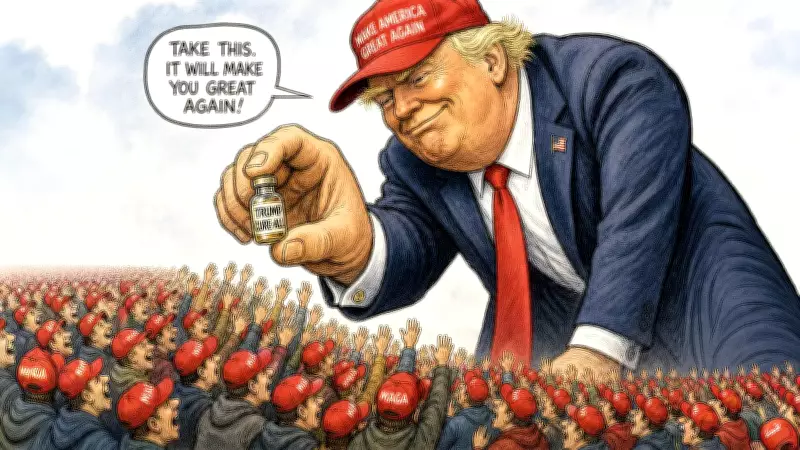
The concept of manliness within the MAGA (Make America Great Again) movement has been a subject of intense debate and analysis. This article delves into the constructed nature of this hyper-masculine image, exploring its roots, manifestations, and consequences for the broader political landscape.
The Construction of Hyper-Masculinity
The MAGA movement, closely associated with former President Donald Trump, has often projected an image of rugged, unapologetic masculinity. This persona is not accidental but carefully curated through rhetoric, policy positions, and public demonstrations. Trump himself embodies this archetype with his confrontational style, emphasis on strength, and dismissal of political correctness.
Rhetoric and Symbolism
Key figures within the movement frequently use language that emphasizes dominance, aggression, and a return to traditional gender roles. Terms like "alpha male" and "real men" are common, alongside visual symbols such as military gear, flags, and tough-guy stances. This rhetoric serves to create a sense of solidarity among followers while excluding those who do not conform to this ideal.

Policy Implications
The hyper-masculine image translates into policy preferences that prioritize military strength, law and order, and economic nationalism. Issues like immigration are framed as threats to national security, requiring a strong, masculine response. This approach resonates with a segment of the population that feels marginalized by changing social norms and economic shifts.
Critiques and Consequences
Critics argue that this construction of manliness is not only exclusionary but also detrimental to democratic discourse. It fosters an environment where compromise is seen as weakness and empathy as vulnerability. Moreover, it can alienate women, minorities, and other groups, potentially deepening societal divisions.
Impact on Political Discourse
The emphasis on toughness has led to a coarsening of political debate, with insults and personal attacks becoming more common. This style of communication can undermine the quality of public discussion and reduce the space for nuanced policy conversations.
Broader Societal Effects
Beyond politics, the MAGA version of masculinity influences cultural norms, particularly among young men. It promotes a narrow definition of manhood that may contribute to issues like toxic masculinity, including aggression, emotional suppression, and resistance to gender equality.
Conclusion
The trumped-up manliness of the MAGA verse is a powerful political tool that taps into deep-seated cultural anxieties. While it galvanizes a loyal base, its long-term effects on American society and democracy warrant careful scrutiny. Understanding this phenomenon is crucial for anyone seeking to comprehend the current political climate and its future trajectory.