

Trump's Tense Exchange with Reporter Goes Viral During College Sports Discussion
Former President Donald Trump engaged in a notably direct and awkward confrontation with a reporter during a White House meeting focused on college sports policy this past Friday. The incident, which rapidly gained traction across social media platforms, highlighted a moment of unexpected friction in an otherwise policy-oriented gathering.
The Viral Confrontation: A Question Backfires
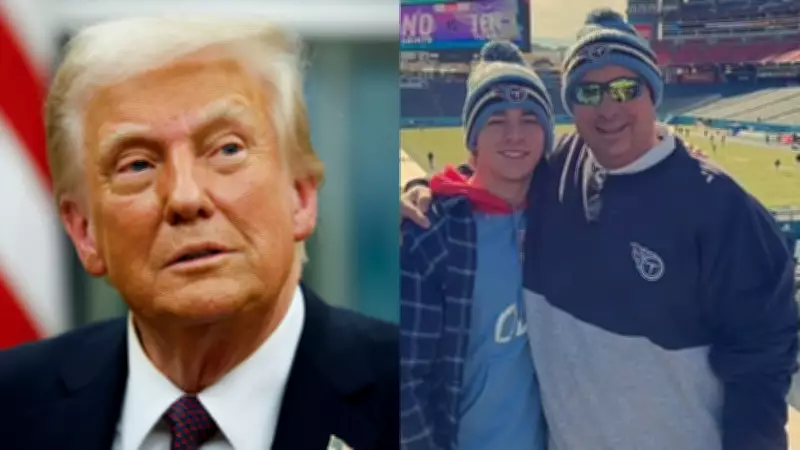
Conservative radio host John Fredericks attempted to pose a question to Trump, beginning with a reference to his son's athletic achievements. "As you know, my son Joe is a high-level D-1 athlete, third-year relief pitcher, University of Maryland," Fredericks stated, implying prior knowledge on Trump's part.
Trump immediately interrupted, challenging the assumption with a pointed retort: "How would I know that?" He followed up with a remark that elicited laughter from attendees: "He said, 'As you know.' I don't even know who the guy is." This brief exchange, captured on video, quickly spread online, with many viewers describing it as uncomfortable and surprising.

Social Media Reacts to the Awkward Moment
The clip prompted widespread discussion on platforms like X, where users critiqued Fredericks' approach. One commenter noted, "Honestly a good look into the mind of a journalist. Expects the most famous man on earth to know small details about his personal life." Another added, "Who do these people think they are? He shuts them down every time," while a third simply labeled the interaction "Just brutal."
In response to inquiries from Daily Mail, Fredericks clarified that he meant to say "as you may know" and expressed no offense, stating, "I always enjoy my dialogue with president Trump." His son, Joseph Fredericks, a pitcher for the University of Maryland, has struggled this season with an 18.90 earned run average in five appearances, according to team statistics.
Policy Agenda: The SCORE Act and College Sports Reform
Despite the viral moment, the meeting's primary purpose was to address significant changes in college athletics, particularly the proposed SCORE Act. Trump convened conference commissioners, athletic directors, and other leaders to discuss this bill, which aims to overhaul rules regarding student athlete compensation.
During the discussion, Trump criticized retired judge Claudia Wilken for her 2014 ruling in the O'Bannon v. NCAA case, which found the NCAA in violation of antitrust laws by restricting athletes from profiting from their name, image, and likeness. "A person who knew nothing about sports made a ruling, and she turned the whole thing upside down. And it's really a disgrace, if you want to know the truth," Trump asserted.
He also hinted at potential executive action if Congress fails to advance the SCORE Act, warning, "I might have to sign an executive order." This underscores the high stakes involved in the ongoing debate over athlete pay and NCAA regulations.
Conclusion: A Meeting Remembered for Its Tension
While intended to focus on the future of college sports, the White House meeting became most memorable for the tense exchange between Trump and Fredericks. This incident illustrates how personal interactions can sometimes overshadow substantive policy discussions in the public eye, capturing widespread attention in today's digital age.






