Voter Base Contracts by 7.93% Following Special Intensive Revision Across Nine States and Union Territories
The electoral landscape in India has undergone a substantial transformation following the completion of a Special Intensive Revision (SIR) of voter lists. Data reveals that the overall voter base across nine states and Union Territories has shrunk by a significant 7.93%. This revision process, aimed at cleaning and updating the electoral rolls, has led to the removal of a considerable number of names, with Gujarat experiencing the most pronounced impact.
Gujarat Records Steepest Decline with 68 Lakh Names Removed
Among all regions, Gujarat stands out with the most dramatic reduction in its voter list. Official figures indicate that approximately 68 lakh (6.8 million) names have been dropped from the electoral rolls in the state. This massive purge represents a major shift in the state's electoral demographics and has sparked discussions among political analysts and citizens alike. The revision in Gujarat was specifically conducted and the updated list was published on February 17, 2026, providing a clear snapshot of the current eligible voter population.
Phased Publication of Revised Electoral Rolls
The publication of the revised voter lists was carried out in a phased manner across the different regions. The electoral rolls for the Union Territories of Puducherry and Lakshadweep were the first to be released, made public on February 14, 2026. Following this, Gujarat's updated list was published on February 17. The remaining six states and Union Territories had their revised rolls officially released on Saturday, February 21, 2026, completing the process for all nine jurisdictions involved in this Special Intensive Revision.

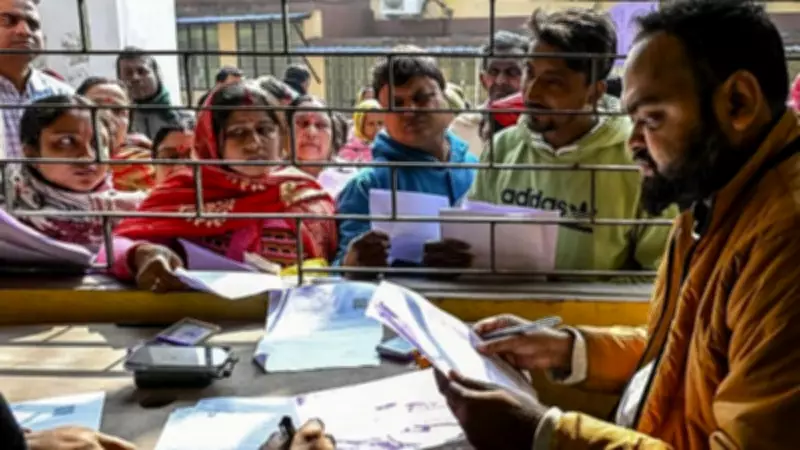
The SIR initiative is a critical exercise conducted periodically to ensure the accuracy and integrity of the electoral process. It involves a thorough verification of existing voter entries, removal of duplicate or ineligible names, and the inclusion of new eligible voters. This process helps maintain a clean and reliable voter database, which is fundamental to the democratic functioning of the country.
Implications for Upcoming Elections and Political Strategies
This significant reduction in the voter base is likely to have far-reaching implications for political parties and election strategies in the affected regions. With fewer registered voters, political campaigns may need to recalibrate their outreach efforts and voter mobilization plans. The updated rolls will serve as the definitive list for any forthcoming elections, making it essential for all stakeholders to adapt to the new electoral realities.
The data underscores the importance of regular electoral roll revisions in upholding democratic principles. By eliminating discrepancies and ensuring that only legitimate voters are enrolled, the Election Commission of India reinforces the credibility of the electoral system. Citizens are encouraged to verify their registration status and participate actively in the democratic process.