

West Bengal Voter Roll Controversy Intensifies Ahead of 2026 Assembly Elections
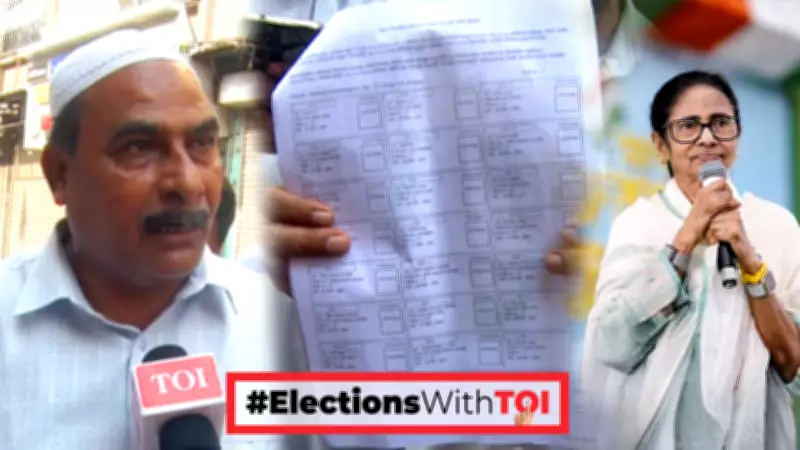
The Special Intensive Revision (SIR) of voter rolls in West Bengal has ignited a major political controversy, with Trinamool Congress (TMC) supporters in Howrah district accusing the Election Commission of India of bias. The contentious process has resulted in the deletion of nearly 91 lakh names across the state, including approximately six lakh specifically from Howrah district, raising serious concerns about potential voter disenfranchisement.
Massive Deletions Spark Allegations of Electoral Manipulation
Minority supporters of the ruling TMC have voiced strong objections to what they perceive as targeted removal of their names from electoral rolls. The situation has become particularly volatile as entire families and local political leaders report being unexpectedly struck off voter lists. The controversy comes at a critical juncture, with West Bengal preparing for its 2026 assembly elections, where every vote could prove decisive in determining the political landscape.
The "logical discrepancy" filter has emerged as a particularly contentious aspect of the revision process, accounting for the removal of an additional 27 lakh names beyond those already eliminated due to absence or death. This technical criterion has become a focal point of criticism, with affected citizens questioning its implementation and transparency.

Election Commission's Response and Growing Tensions
Election authorities have responded to the growing concerns by advising affected voters to approach designated tribunals for redressal. However, this procedural solution has done little to alleviate anxieties among those who fear they may be unable to participate in the upcoming democratic exercise. The situation has created an atmosphere of heightened political tension in Howrah and surrounding regions, with opposition parties closely monitoring developments.
The scale of deletions has prompted questions about the methodology and timing of the voter roll revision. Critics argue that such extensive changes so close to major elections could undermine public confidence in the electoral process. Supporters of the revision maintain that it represents a necessary cleanup of outdated and inaccurate voter data, essential for maintaining the integrity of elections.
Broader Implications for West Bengal's Political Future
This controversy unfolds against a backdrop of intense political competition in West Bengal, where both national and regional parties are vying for supremacy. The voter roll issue has quickly become a political flashpoint, with various stakeholders using it to advance their electoral narratives. The coming weeks will likely see increased scrutiny of the Election Commission's procedures and growing demands for greater transparency in the voter registration process.
As the 2026 assembly elections approach, the resolution of this voter roll controversy will significantly impact political strategies and voter mobilization efforts across West Bengal. The situation highlights the delicate balance between maintaining accurate electoral rolls and ensuring inclusive democratic participation in one of India's most politically vibrant states.






