

West Bengal Assembly Elections 2026: Election Commission to Maintain Heightened Security Post-Counting
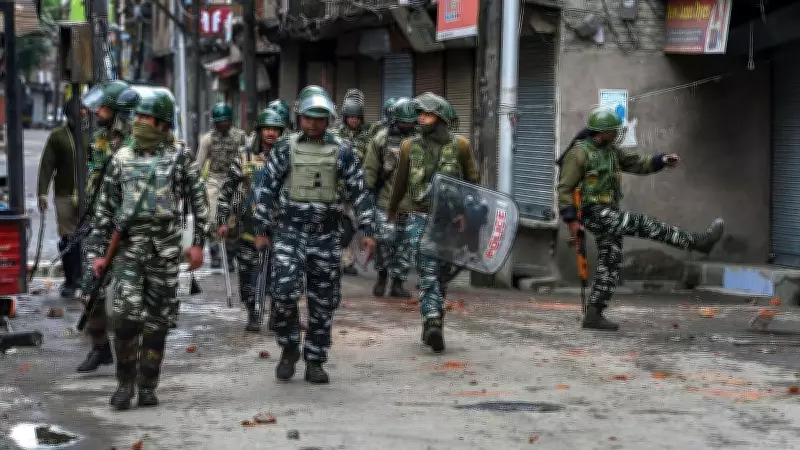
In a significant move to ensure the integrity and security of the electoral process, the Election Commission of India has announced that it will continue the deployment of Central Armed Police Forces (CAPF) in West Bengal even after the conclusion of vote counting for the 2026 Assembly Elections. According to an official statement released on April 3, 2026, an additional 200 companies of CAPF personnel will be retained in the state specifically to safeguard critical election infrastructure.
Enhanced Security Measures for Electoral Assets
The primary objective of this extended deployment is to provide robust protection for electronic voting machines (EVMs), strong rooms where the machines are stored, and the various counting centers across West Bengal. This decision underscores the Election Commission's commitment to maintaining a secure and transparent electoral environment, particularly in a state known for its politically charged atmosphere during election seasons.
The official emphasized that this measure is proactive and aimed at preventing any potential tampering or disruptions that could compromise the sanctity of the vote. By keeping these forces in place, the EC aims to instill confidence among voters, political parties, and stakeholders regarding the fairness of the electoral outcome.

Context and Implications for West Bengal Politics
West Bengal has historically witnessed intense political competition, often accompanied by concerns over electoral violence and malpractice. The 2026 Assembly Elections are expected to be highly contested, with major parties vying for control of the state government. In this context, the Election Commission's decision to extend CAPF deployment is seen as a crucial step to uphold democratic norms and ensure a peaceful transition of power, if any.
The retention of 200 CAPF companies represents a substantial security presence, reflecting the EC's vigilance in monitoring post-election scenarios. These forces will work in coordination with state police and other agencies to maintain law and order, particularly around sensitive locations where election materials are housed.
Broader Electoral Security Framework
This move aligns with the Election Commission's broader strategy to enhance electoral security across India, especially in states with a history of electoral challenges. Key aspects of this framework include:
- Protection of EVMs: Ensuring that electronic voting machines are not tampered with after polling, which is critical for verifying results and addressing any disputes.
- Secure Strong Rooms: Maintaining round-the-clock surveillance of strong rooms to prevent unauthorized access or damage to stored EVMs.
- Counting Center Safety: Providing a safe environment for counting votes, free from intimidation or interference, to facilitate accurate and timely result declaration.
The official noted that this deployment is part of standard operating procedures for high-stakes elections, but the scale in West Bengal is particularly notable due to the state's unique political dynamics. The CAPF, known for its neutrality and professionalism, is expected to play a pivotal role in ensuring that the electoral process remains credible and uncontested.
Looking Ahead to the 2026 Elections
As West Bengal gears up for the 2026 Assembly Elections, all eyes will be on how security measures unfold. The Election Commission's announcement serves as a reminder of the importance of safeguarding democratic institutions and processes. With the additional CAPF companies in place, the EC aims to mitigate risks and foster an environment where voters can participate freely and results are accepted without controversy.
This development is likely to be closely monitored by political analysts and citizens alike, as it sets a precedent for electoral security in one of India's most politically vibrant states. The success of this initiative could influence future election management strategies across the country.






