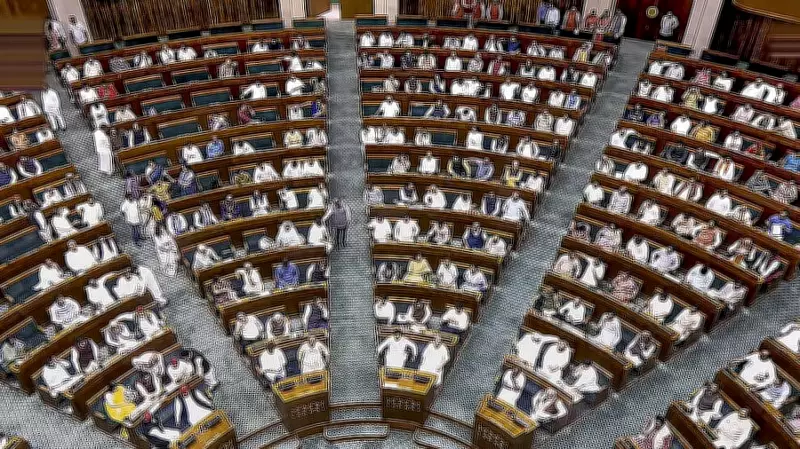
Women activists have announced plans to intensify their agitation during the upcoming Monsoon Session of Parliament, demanding the immediate implementation of a 33% quota for women in legislative bodies. The group, led by prominent voices including Anjali Bharadwaj, has firmly rejected any attempts to link the reservation with the delimitation process, which they argue would disproportionately benefit northern states at the expense of the South.
Demand for Immediate Quota Without Delays
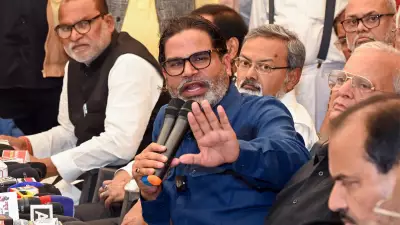
Speaking at a press conference on 10 July 2026, Bharadwaj stated, 'We do not want delay; we want 33% quota now.' She emphasized that the women's reservation bill has been pending for decades and that any further postponement is unacceptable. The activists are calling for a standalone constitutional amendment that guarantees one-third of seats in the Lok Sabha and state assemblies for women, without linking it to the upcoming delimitation exercise based on the 2021 Census.
Opposition to Delimitation Linking
The activists have expressed strong opposition to the government's reported plan to tie women's reservation with delimitation, which would redraw constituency boundaries. Bharadwaj warned, 'We oppose the delimitation that benefits the north at the cost of the South. Don't use women to get delimitation passed.' She argued that such a linkage would undermine the purpose of reservation and create regional disparities, as southern states with better population control would lose representation.

Planned Protests During Monsoon Session
The group has vowed to hold daily protests outside Parliament during the Monsoon Session, starting from the first day. They plan to organize marches, submit memorandums to lawmakers, and stage sit-ins to pressure the government. According to the activists, over 50 women's organizations from across the country will participate, making it a coordinated national campaign.
Historical Context and Political Stalemate
The Women's Reservation Bill was first introduced in Parliament in 1996 and has been passed by the Rajya Sabha but lapsed multiple times in the Lok Sabha. The current ruling coalition has expressed support for the quota, but differences over the timing and linkage with delimitation have stalled progress. Activists argue that the bill should be passed as a simple constitutional amendment without any riders, as promised by successive governments.
Impact and Next Steps
If implemented, the 33% quota would increase women's representation in the Lok Sabha from the current 14% to one-third, significantly boosting gender parity in decision-making. The activists' stir is expected to gather momentum as the session progresses, with potential disruptions in Parliament. The government has not yet responded to the demands, but the issue is likely to dominate the upcoming session.