

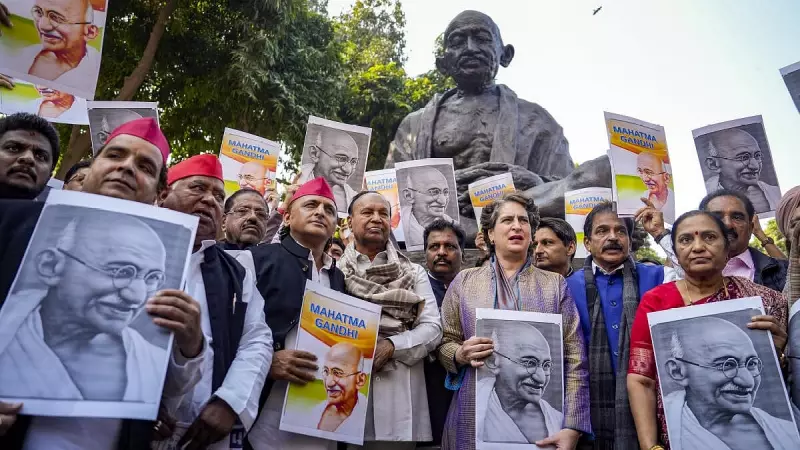
The Indian government moved forward with two significant legislative proposals this week, tabling them in the Lok Sabha amidst vocal objections from opposition parties. The developments have set the stage for intense parliamentary debate in the coming days.
Legislative Push in the Lower House
The government's legislative agenda saw action on two consecutive days. The SHANTI Bill was officially introduced in the Lok Sabha on Monday, December 15, 2025. This was followed by the tabling of the 'VB-G RAM G Bill' in the Lower House on Tuesday, December 16. The introduction of both bills was met with immediate resistance from opposition members, who raised objections during the proceedings.
Opposition's Immediate Objections
As per reports, the tabling of these bills did not go unchallenged. Opposition parties voiced their concerns and pushback as soon as the bills were presented. The nature of the objections has not been detailed in the initial reports, but the resistance highlights the potentially contentious nature of the proposed legislation. This sets a confrontational tone for the upcoming discussions and debates in Parliament.

Context and Next Steps
The introduction of a bill is the first major step in the law-making process in the Indian Parliament. Following this, the bill is typically taken up for consideration, which involves discussion, potential amendments, and voting. The strong opposition pushback from the outset suggests that the government may face a tough battle to secure the passage of these bills. All eyes will now be on the parliamentary committees and the subsequent sessions where detailed deliberations on the SHANTI and VB-G RAM G Bills are expected to take place.
The developments underscore the ongoing political dynamics in the Indian Parliament, where the ruling party's legislative agenda often encounters scrutiny and resistance from the opposition benches. The content and implications of the two bills are likely to become clearer as they move forward in the legislative pipeline.






