

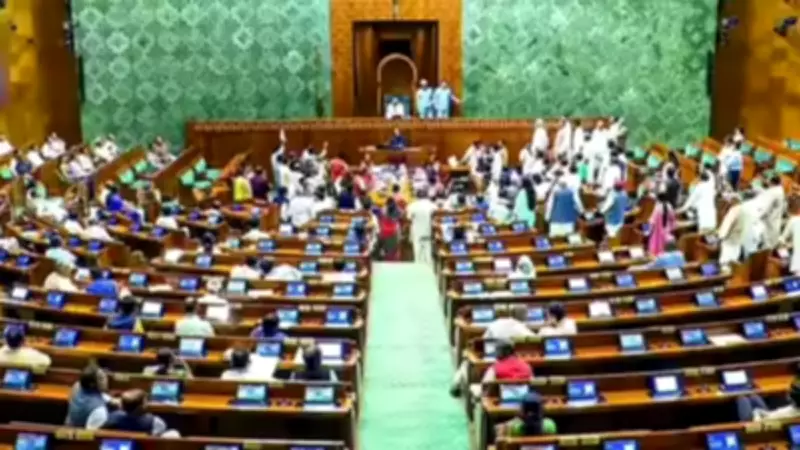
Government Proposes Weekend Parliament Sessions to Address Disruptions and Legislative Delays
The Indian government has put forward a significant proposal to hold Parliament sittings on March 28 and 29, which fall on the last weekend of the month. This move is aimed at compensating for several holidays that occurred on weekdays during the ongoing budget session. The session has been notably disrupted by a variety of contentious issues, leading to a loss of productive legislative time.
Background and Rationale for the Weekend Sessions
Official sources have indicated that the primary reason for suggesting these weekend sittings is to ensure sufficient time for the government's legislative agenda. The budget session, which is a critical period for passing key bills and discussing national policies, has faced numerous interruptions. These disruptions have stemmed from debates over various national and international matters, including updates on conflicts such as the Israel-Iran tensions, which have been highlighted in recent news reports.
For instance, live updates on the US-Israel-Iran war have shown Israel striking over 200 targets in Iran, with incidents like a drone hitting a residential apartment in Beirut. Additionally, former US President Donald Trump made claims about Iran, stating it was "about to surrender" and that the US "got rid of a cancer threatening us all." Tragically, two Indians were killed and ten injured in an Iranian drone attack in Oman, as reported by the Ministry of External Affairs. These events have added to the session's complexities, diverting attention from domestic legislative work.

Proposal Details and Political Consultations
The proposal to hold weekend sessions was discussed at the Lok Sabha's business advisory committee, a body that includes functionaries from different political parties. A final decision on this matter is still pending, as consultations are ongoing. This committee plays a crucial role in scheduling parliamentary business, and its approval is essential for such unconventional sittings.
Amid these discussions, there is growing speculation that the governing alliance is considering amendments to the women's reservation law. The goal is to expedite its implementation by delinking it from the delimitation process. This has become a focal point of the legislative agenda, with parliamentary affairs minister Kiren Rijiju hinting at a "critical" bill ahead of the second part of the session starting March 9.
Implications for Legislative Priorities
The push for weekend sittings underscores the government's urgency to advance its legislative priorities, particularly the women's reservation law. Minister Rijiju has been actively reaching out to various opposition parties to build consensus on this issue. The law, which aims to increase female representation in Parliament, has been a long-standing demand, and its quick rollout is seen as a key political objective.
By proposing extra sessions, the government hopes to:
- Recover lost time due to holidays and disruptions.
- Facilitate thorough discussions on important bills, including potential amendments to the women's reservation law.
- Ensure that the budget session concludes with significant legislative achievements, despite the challenges posed by external events and internal disagreements.
This development highlights the balancing act between addressing urgent national issues, such as international conflicts, and focusing on domestic governance reforms. As the session progresses, all eyes will be on whether the weekend sittings are approved and how they impact the passage of key legislation.

