

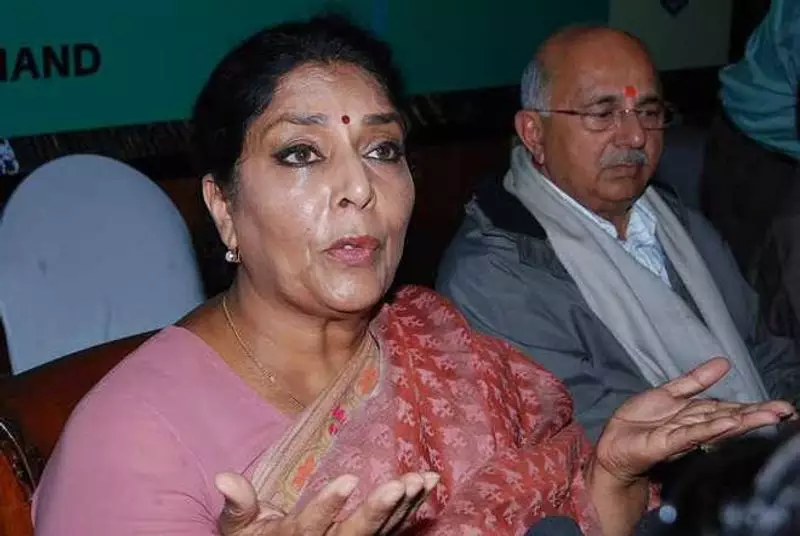
A fiery exchange disrupted proceedings in the Rajya Sabha on Wednesday, as Congress MP Renuka Chowdhury launched a sharp verbal attack on Union Minister Kiren Rijiju. The confrontation, which quickly escalated, centered around a perceived slight involving the use of the word "Sir."
The Spark That Ignited the Confrontation
The incident occurred on July 31, 2024, during a session of the Upper House. The trigger was a remark made by Parliamentary Affairs Minister Kiren Rijiju. According to reports, Rijiju commented that some members were excessively using the term "Sir" while addressing the Chair. While not naming anyone directly, Congress MP Renuka Chowdhury took immediate offense, interpreting the comment as a targeted jab.
Chowdhury, known for her forthright style, did not hold back. She stood up and retorted strongly, her voice echoing in the chamber. In a moment that captured the tense atmosphere, she declared, "Main aapko sir bol rahi hoon, aap mujhe madam boliye. Aap nalayak ho" (I am calling you sir, you call me madam. You are worthless). This direct and personal rebuke sent ripples through the assembly.

Escalation and Intervention from the Chair
The situation grew more intense as Kiren Rijiju responded. He questioned Chowdhury's right to label him "nalayak," leading to a rapid back-and-forth between the two parliamentarians. The exchange grew so heated that it threatened to derail the day's legislative business entirely.
Order was finally restored only after the Deputy Chairman of the Rajya Sabha, Harivansh, intervened firmly. He urged both members to maintain decorum and reminded them of the dignity expected within the hallowed halls of Parliament. The Chair's intervention was crucial in calming the tempers and allowing the session to proceed.
Reflecting on Parliamentary Decorum
This incident is not an isolated one but part of a recurring pattern of acrimonious debates and personal attacks that have frequently marred parliamentary sessions in recent times. Such clashes often overshadow substantive policy discussions and legislative work.
The use of strong, unparliamentary language raises serious questions about the erosion of debate standards. While passionate disagreement is a cornerstone of democracy, the line between robust argument and personal insult appears increasingly blurred. This event underscores the ongoing challenges in maintaining constructive and respectful political discourse, especially in a highly polarized environment.
The fallout from this verbal duel highlights the deep-seated tensions between the ruling BJP and the opposition Congress. It serves as a stark reminder of the fragile state of parliamentary etiquette and the urgent need for dialogue that focuses on issues rather than personalities.






