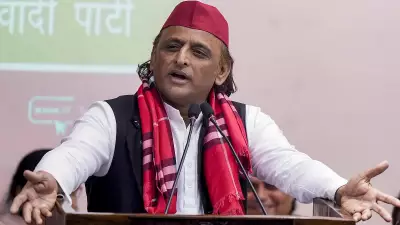
Parliament Engages in Heated Debate on Women's Reservation Bill
The Indian Parliament is currently witnessing a significant and intense discussion on the Women's Reservation Bill, a landmark legislative proposal aimed at enhancing female representation in political bodies. This debate has drawn widespread attention, with Prime Minister Narendra Modi actively participating and addressing various remarks from the opposition.
PM Modi's Address and Emphasis on Gender Equality
During the parliamentary session, Prime Minister Narendra Modi delivered a compelling address, underscoring the critical importance of the Women's Reservation Bill for fostering gender equality in India's political landscape. He highlighted that the bill is not merely a legislative measure but a transformative step towards empowering women and ensuring their voices are heard in decision-making processes.
PM Modi stated, "This bill represents our commitment to building an inclusive democracy where women have equal opportunities to lead and contribute. It is essential for the holistic development of our nation." His remarks were met with both support and scrutiny from opposition members, leading to a dynamic exchange of views.

Opposition Remarks and Key Points of Contention
The opposition parties have raised several points during the debate, questioning aspects of the bill's implementation and timeline. Key concerns include:
- The proposed reservation percentage and its alignment with existing constitutional provisions.
- The mechanism for ensuring fair representation across different states and union territories.
- Potential challenges in implementing the bill without disrupting current political structures.
In response, government representatives, including ministers from the ruling party, have provided clarifications and assurances. They emphasized that the bill is designed with careful consideration to address these concerns while maintaining the integrity of the electoral process.
Latest Updates and Legislative Progress
As of the latest updates, the Women's Reservation Bill has progressed through initial readings and committee reviews in Parliament. Key developments include:
- The introduction of the bill in both houses, with detailed discussions on its clauses and amendments.
- Stakeholder consultations with women's rights groups, political analysts, and legal experts to refine the proposal.
- Plans for a phased implementation strategy to ensure smooth adoption across various levels of governance.
Political observers note that this debate marks a pivotal moment in India's legislative history, with potential long-term impacts on gender parity in politics. The bill's passage could set a precedent for similar initiatives in other sectors, promoting broader social change.
Broader Implications and Future Outlook
The discussion on the Women's Reservation Bill extends beyond immediate political ramifications, touching on deeper issues of social justice and democratic representation. Experts argue that increased female participation in politics can lead to more diverse policymaking and improved governance outcomes.
Looking ahead, the government aims to secure bipartisan support for the bill, with further debates scheduled in the coming sessions. The outcome of these discussions will be closely monitored by national and international audiences, as India takes a decisive step towards gender-inclusive political reform.