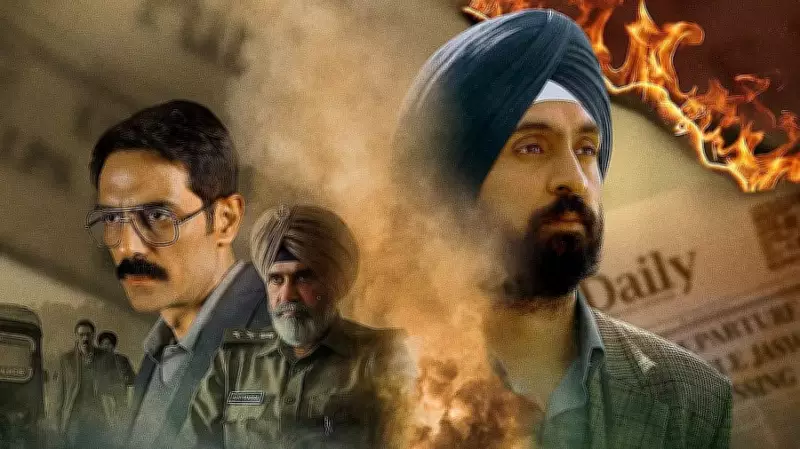
The recently released film 'Satluj' delves into the dark chapter of Punjab's bounty killings, revealing how a 'cash-for-kill' policy not only failed to eliminate militancy but instead led to the deaths of innocents and the spread of violence. The film, directed by Bharat Bhushan, argues that such tactics turn security force personnel into criminals.
Unraveling the Cash-for-Kill Policy
According to the article, the policy incentivized the killing of suspected militants, often resulting in extrajudicial executions. The film's narrative follows a journalist investigating these killings, uncovering a web of corruption and human rights abuses. It highlights how the policy backfired, fueling rather than quelling insurgency.
Impact on Innocents and Security Forces
The film shows that many victims were innocent, caught in the crossfire of a flawed strategy. Security personnel, pressured to meet targets, became perpetrators of violence, eroding trust in the state. The article quotes the filmmaker: 'The message is that a cash-for-kill does not eliminate militancy, it ends up killing innocents and spreading militancy. It makes criminals out of security force personnel.'

Broader Implications for Counterinsurgency
By exposing these truths, 'Satluj' contributes to ongoing debates about counterinsurgency tactics. It underscores the need for accountability and the dangers of unchecked power. The film serves as a cautionary tale for other regions facing similar conflicts.