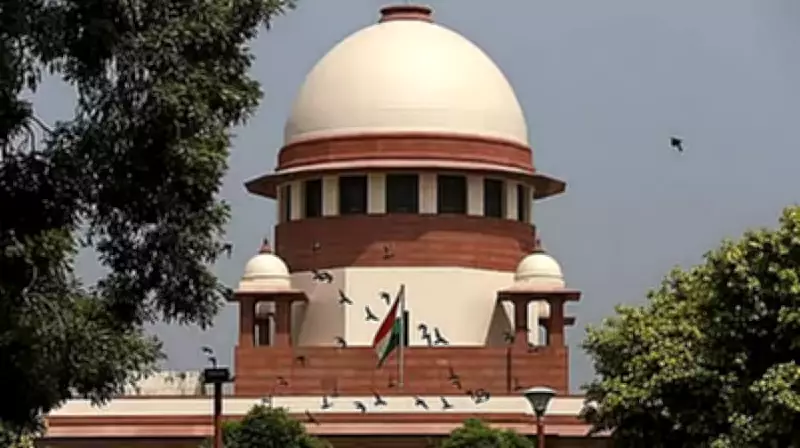
India's judiciary is grappling with an unprecedented backlog of over 50 million pending cases, a crisis that demands more than just incremental fixes. The clogged courts undermine the fundamental right to timely justice, affecting millions of litigants. While the government has increased the number of judges, the root causes—such as inefficient procedures, inadequate infrastructure, and a culture of adjournments—remain unaddressed.
The Magnitude of the Problem
According to the National Judicial Data Grid, as of early 2025, over 50 million cases are pending across various courts in India. This includes approximately 5 million cases in the Supreme Court, 60 lakh in high courts, and the rest in district and subordinate courts. The average pendency period for civil cases is over three years, while criminal cases can drag on for even longer. This delay not only burdens the litigants but also erodes public trust in the justice system.
Root Causes of Backlogs
The primary reasons for the backlog include a shortage of judges, with India having only 20 judges per million people, far below the recommended 50. However, simply increasing the number of judges is not a panacea. Other critical factors include:

- Inefficient Case Management: Courts lack modern case management systems, leading to delays in scheduling and hearings.
- Frequent Adjournments: Lawyers often seek adjournments on flimsy grounds, wasting judicial time.
- Complex Procedures: Outdated procedural laws contribute to prolonged litigation.
- Inadequate Infrastructure: Many courts lack basic facilities like digital recording and video conferencing tools.
Need for Systemic Reforms
Addressing the backlog requires a multi-pronged approach. The government has taken steps such as the e-Courts project, which aims to digitize court records and introduce video conferencing. However, implementation remains uneven. Experts recommend:
- Increasing Judge Strength: Immediate appointment of judges to fill vacancies, along with a long-term plan to raise the judge-to-population ratio.
- Procedural Reforms: Simplifying civil and criminal procedures to reduce delays.
- Alternative Dispute Resolution (ADR): Promoting mediation, arbitration, and Lok Adalats to resolve cases outside courts.
- Strict Adjournment Policies: Limiting adjournments to only genuine emergencies.
- Technology Integration: Full implementation of e-filing, digital evidence management, and AI-based case prioritization.
Role of Stakeholders
The judiciary, bar, and government must collaborate. The Supreme Court has already issued guidelines to curb adjournments and streamline case management. However, these need to be enforced rigorously at all levels. The government should allocate more funds for judicial infrastructure and technology. Lawyers and litigants must also adopt a more responsible approach to avoid unnecessary litigation.
In conclusion, while increasing the number of judges is necessary, it is not sufficient. India's judicial system requires a comprehensive overhaul that addresses procedural inefficiencies, infrastructure deficits, and cultural practices that impede justice. Only then can the backlog be reduced and the right to timely justice be realized.