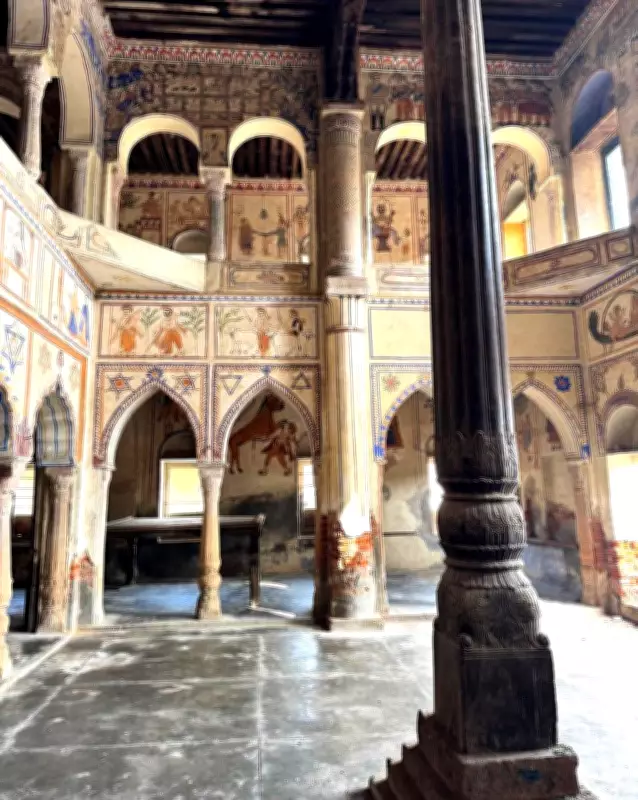
The Haryana Archaeology Department has initiated steps to preserve a historic chaupal in Bahelba village, located in Rohtak district. This move aims to protect the cultural heritage of the region, as the chaupal holds significant historical value for the local community.
Historical Significance of the Chaupal
The chaupal, a traditional community gathering space, has been a central part of village life for centuries. It served as a venue for meetings, discussions, and social events, reflecting the rich cultural traditions of Haryana. The structure, believed to be over a century old, features intricate architectural details that showcase the craftsmanship of a bygone era.
Preservation Efforts
The archaeology department has conducted a preliminary survey of the site and plans to undertake restoration work to prevent further deterioration. Officials have emphasized the importance of conserving such structures to maintain a link with the past. The preservation will involve repairing the structure, restoring its original features, and ensuring its long-term maintenance.

Community Involvement
Local residents have welcomed the initiative, expressing pride in their heritage. Many villagers have shared anecdotes about the chaupal's role in their lives, from hosting village councils to celebrating festivals. The preservation project is expected to involve community members in the conservation process, fostering a sense of ownership and responsibility.
Broader Context
This effort is part of a larger push by the Haryana government to protect historical sites across the state. Similar preservation projects have been undertaken in other villages, highlighting the importance of safeguarding intangible cultural heritage. The chaupal in Bahelba is one of several such structures being documented and conserved under the department's heritage protection scheme.
The preservation move is seen as a step toward promoting cultural tourism in the region, with the potential to attract visitors interested in exploring Haryana's rural history. The department has also planned to install informational plaques at the site to educate visitors about its historical context.