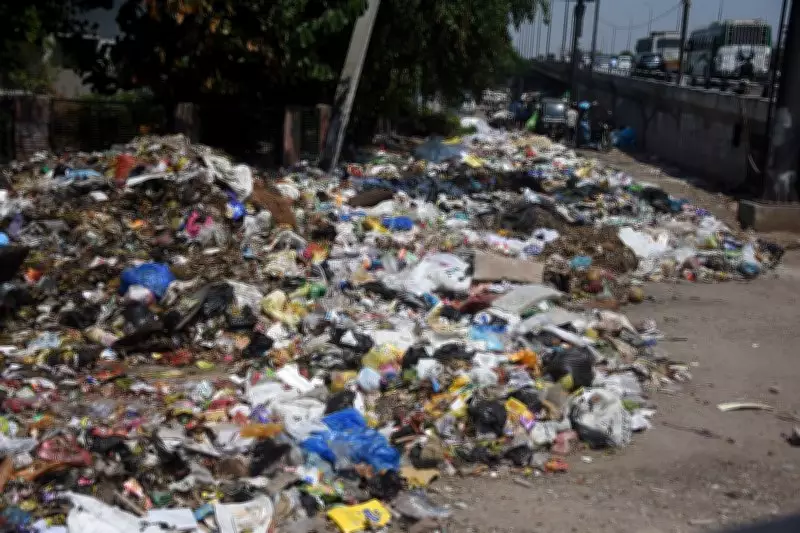
Ludhiana's scooter market, once a bustling hub for two-wheeler sales and repairs, is now synonymous with garbage and civic neglect. The area, located near the old city center, is choked with heaps of uncollected waste, creating a stench that repels customers and poses health hazards. Traders and residents alike have raised alarms, but the municipal corporation's response remains sluggish.
Mounting Garbage Piles
For months, garbage has been accumulating on the streets and in vacant plots around the market. The situation has worsened during the monsoon, with rainwater mixing with the waste, leading to breeding grounds for mosquitoes and flies. Shopkeepers report that the foul smell drives away potential buyers, severely impacting their business. Many have resorted to hiring private waste collectors, but the costs are unsustainable.
Health and Environmental Concerns
The uncollected garbage poses serious health risks, including respiratory infections and waterborne diseases. Local residents, especially children and the elderly, are vulnerable to illnesses such as dengue and malaria. The environmental impact is equally alarming, with blocked drainage systems causing waterlogging and further deterioration of the area. A resident lamented, "We have been complaining to the municipal corporation for months, but no action has been taken."

Municipal Corporation's Response
The Ludhiana Municipal Corporation has acknowledged the issue but cites a shortage of staff and vehicles as reasons for the delay. Officials claim that garbage collection routes have been revised to cover the market area more frequently, but residents argue that the measures are inadequate. A senior official stated, "We are aware of the problem and are working to resolve it. However, the volume of waste generated in the market is high, and we need more resources."
Community Efforts and Demands
In the absence of effective municipal action, local traders' associations have organized clean-up drives, but these are temporary fixes. They demand a permanent solution, including the deployment of dedicated garbage bins and regular collection schedules. The associations have also petitioned the mayor and local councillors, urging them to prioritize the area's sanitation. A trader said, "We pay taxes, yet we are forced to live and work in filth. This is unacceptable."
Conclusion
The garbage crisis at Ludhiana's scooter market is a stark reminder of the city's broader waste management challenges. Without sustained civic intervention, the health and economic well-being of the community will continue to suffer. It is imperative that the municipal corporation takes immediate and effective steps to restore cleanliness and order in this vital commercial zone.