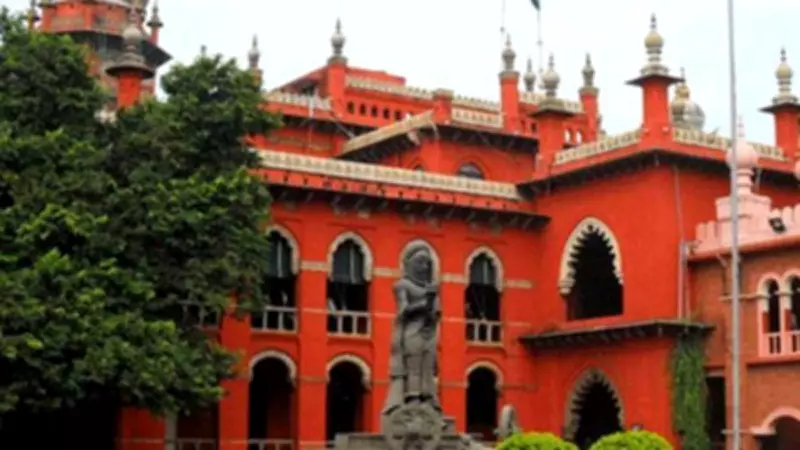
The Madras High Court has delivered a significant judgment, declaring that the practice of paid VIP darshan in temples is discriminatory and unconstitutional. The court observed that such practices create an unequal system where wealth determines access to religious worship, which goes against the fundamental principles of equality enshrined in the Constitution.
Court's Observations
Hearing a public interest litigation, the bench of Justices R. Mahadevan and J. Sathya Narayana Prasad noted that the concept of VIP darshan, where devotees pay extra fees for expedited access to deities, undermines the essence of religious equality. The court emphasized that all devotees are equal in the eyes of God and the temple administration cannot create a hierarchical system based on financial capacity.
The judges further remarked that such practices lead to commercialization of religion and exploit the faith of devotees. They directed the Tamil Nadu government and temple authorities to review all existing VIP darshan arrangements and ensure that no devotee is given preferential treatment based on monetary considerations.

Government's Response
The state government submitted that VIP darshan is a common practice in many temples across the state and generates significant revenue for temple maintenance and welfare activities. However, the court rejected this argument, stating that revenue generation cannot be at the cost of constitutional values and the right to equality of all citizens.
The court also noted that the practice of VIP darshan often leads to corruption and misuse of power, with influential persons getting priority over ordinary devotees. It directed the formation of a committee to suggest alternative methods to manage crowd and generate funds without compromising on equality.
Reactions from Devotees and Activists
The verdict has been widely welcomed by social activists and common devotees who have long complained about the VIP culture in temples. Many believe that this judgment will restore the sanctity of temples and ensure that every devotee is treated with equal respect, regardless of their social or financial status.
However, some temple authorities have expressed concerns about the potential loss of revenue and the challenges in managing large crowds without a tiered darshan system. The court has given them time to propose alternative solutions that align with the principles of equality.
The case is scheduled for further hearing after the committee submits its report. Until then, the court has ordered that no new VIP darshan schemes be introduced and that existing ones be strictly regulated to prevent discrimination.