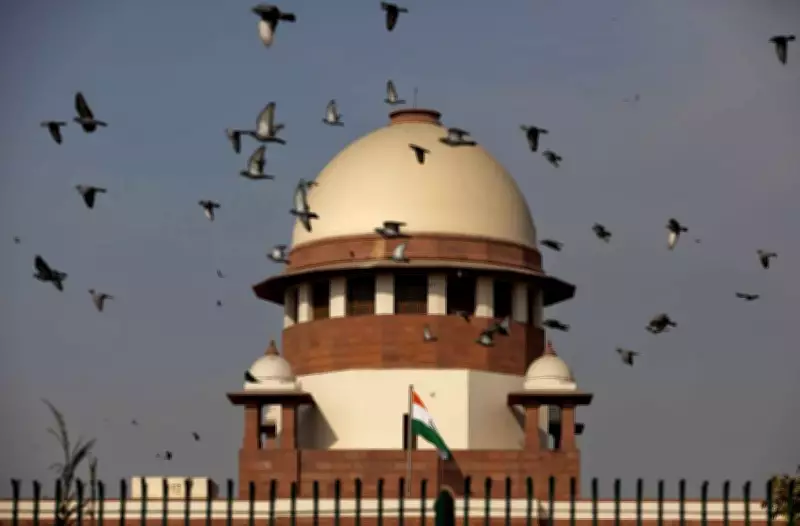
The Supreme Court of India has issued a landmark directive mandating the nationwide adoption of a single emergency helpline number, 112, by the year 2026. This decision aims to streamline emergency response services across the country, replacing the existing patchwork of multiple helplines for police, fire, and ambulance services.
Unified Emergency Response System
The court's order emphasizes the need for a centralized and efficient system to handle emergencies. Currently, citizens must dial different numbers for different services, such as 100 for police, 101 for fire, and 102 for ambulances. The new system will consolidate these into a single, easy-to-remember number, 112, which is already operational in many states as part of the Emergency Response Support System (ERSS).
The directive requires all state governments and union territories to complete the migration to the 112 helpline within the stipulated timeline. The court also stressed the importance of public awareness campaigns to educate citizens about the new number and its usage.

Implementation and Challenges
While several states have already adopted 112, others have been slow to transition. The Supreme Court has set a strict deadline of December 31, 2025, for full compliance. Non-compliant states may face contempt proceedings. The court also directed the central government to provide necessary technical and financial support to states to ensure a smooth transition.
The move is expected to significantly reduce response times during emergencies, as calls will be routed to a central dispatch center that can coordinate multiple agencies. The system also includes features like GPS tracking to locate callers and a dedicated app for silent communication.
Public Safety and Accountability
The Supreme Court highlighted that a single emergency number is a fundamental aspect of public safety and a right of citizens. The current system often leads to confusion and delays, especially during critical situations. By unifying the helpline, the government aims to enhance accountability and ensure that no call for help goes unanswered.
The court also directed the establishment of a monitoring mechanism to evaluate the performance of the ERSS and address any shortcomings. Regular audits and feedback from the public will be used to improve the system continuously.
In conclusion, the Supreme Court's order marks a significant step towards modernizing India's emergency response infrastructure. The nationwide shift to 112 by 2026 is expected to save lives and make emergency services more accessible and reliable for all citizens.