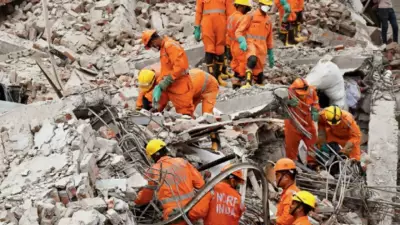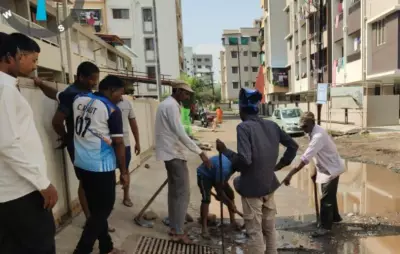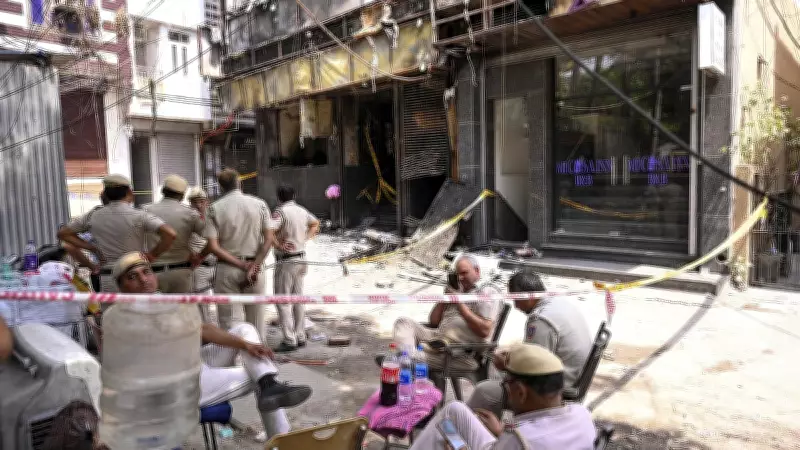
In a tragic déjà vu, a devastating fire at a gaming zone in Rajkot, Gujarat, claimed multiple lives, once again exposing the chronic neglect of fire safety norms in India. The incident, which occurred on May 25, 2024, is a stark reminder of the systemic failures that allow such disasters to recur with alarming regularity.
The Recurring Tragedy of Fire Incidents
India has witnessed numerous catastrophic fires in recent years: the 2022 fire at a hospital in Mumbai, the 2021 blaze at a chemical factory in Gujarat, and the 2019 fire at a coaching center in Surat, among others. Each incident triggers a familiar cycle of grief, outrage, promises of action, and eventual apathy until the next tragedy strikes. The Rajkot fire, which broke out in a temporary structure used for gaming, resulted in at least 27 deaths and several injuries. Preliminary investigations suggest that the building lacked adequate fire exits, fire extinguishers, and a functional fire alarm system.
Systemic Failures in Fire Safety
The root causes of these fires are deeply embedded in systemic failures. First, there is a widespread lack of compliance with fire safety norms. Many commercial establishments, especially in the unorganized sector, operate without proper approvals or disregard safety regulations to cut costs. Second, enforcement mechanisms are weak. Local authorities often fail to conduct regular inspections, and when violations are found, penalties are insufficient to deter non-compliance. Third, urban planning in many cities is haphazard, with narrow streets and encroachments that hinder emergency access. Fourth, public awareness about fire safety remains low, and emergency response systems are often ill-equipped and understaffed.

The Human Cost and Accountability
Behind every statistic is a human story. The Rajkot fire victims included young children and families who were trapped with no escape route. The tragedy underscores the urgent need for accountability. While the government has announced compensation for the victims and ordered an inquiry, such measures are reactive. Proactive steps are required to prevent future incidents. This includes holding building owners and local officials criminally liable for negligence, ensuring that all commercial spaces have valid fire safety certificates, and implementing strict licensing regimes for high-risk establishments like gaming zones, theaters, and hospitals.
Lessons Unlearned
Despite numerous committees and recommendations, India has failed to learn from its past fires. The National Building Code provides guidelines, but adherence is voluntary in many states. A uniform, mandatory fire safety code with stringent penalties is essential. Moreover, there is a need for a dedicated fire safety regulatory authority at the state level, empowered to conduct surprise inspections and shut down non-compliant units immediately. Technology can also play a role: mandatory installation of smoke detectors, sprinklers, and fire alarms should be enforced, and digital records of compliance should be made publicly accessible.
Public Awareness and Community Participation
Fire safety is not just the responsibility of authorities; citizens must be vigilant. Awareness campaigns on fire prevention, evacuation drills in schools and workplaces, and community-based fire response teams can save lives. In Rajkot, witnesses reported that the fire spread rapidly due to flammable materials used in the structure. Public education on the dangers of such materials and the importance of reporting safety violations can create a culture of safety.
Conclusion: A Call for Urgent Reforms
The Rajkot fire is a painful reminder that without systemic change, such tragedies will continue. It is time for a comprehensive fire safety overhaul that includes strict enforcement of building codes, regular audits, severe penalties for violators, and investment in modern firefighting equipment and training. The government must prioritize this issue before another fire claims more lives. The fires we fail to learn from will keep burning, but we have the power to extinguish them through collective action and unwavering commitment to safety.