Uttarakhand's Snow-Bound Villages Decline to 131 Ahead of Historic Digital Census 2027
In a significant demographic shift, the number of snow-bound villages across four key hill districts in Uttarakhand has decreased from 150 to 131, according to recent official data. This notable change, recorded since the 2011 census, is primarily attributed to the dual impacts of climate change and substantial improvements in regional infrastructure.
Digital Transformation of Census 2027
The upcoming Census 2027, set to be India's largest administrative and statistical exercise, will be conducted in two distinct phases with a strong emphasis on digital innovation. The first phase, known as the House Listing and Housing Census (HLO), is scheduled to take place from April 25 to May 24 this year, during which enumerators will visit households across the nation.
In a groundbreaking move, residents will have the opportunity to participate in self-enumeration through the dedicated portal (se.census.gov.in) from April 10 to April 24. This facility marks the first time such an option has been introduced in India's census history.

Key Features of the Digital Census
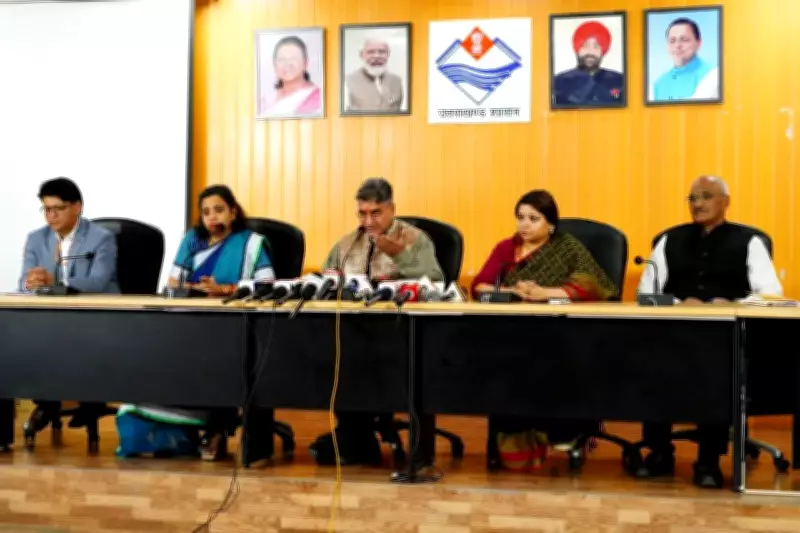
Director of Census Operations Eva Ashish Srivastava confirmed that the entire exercise will be fully digital, with data collection managed through specialized mobile applications. "This initiative represents the commencement of the country's most extensive administrative and statistical undertaking," she stated. The census will also gather detailed information on electronic devices owned by households, including mobile phones, tablets, and laptops.
Census Secretary Deepak Kumar outlined the self-enumeration process, which requires the name of the household head and a valid mobile number, with each number restricted to a single household. The procedure is designed to be efficient, taking approximately 15 to 20 minutes to complete. Once OTP verification is finalized, critical details such as names and language preferences cannot be altered.
The web-based self-enumeration platform is accessible in 16 regional languages, ensuring broad inclusivity. All collected data will remain strictly confidential under the provisions of the Census Act, 1948, protected through advanced encryption and multi-level authentication protocols.
Special Provisions for Snow-Bound Areas
While the second phase of population enumeration is planned for February 9 to February 28, 2027, across Uttarakhand, special arrangements have been made for the 131 snow-bound villages and three urban areas in the districts of Pithoragarh, Uttarkashi, Chamoli, and Rudraprayag. In these regions, enumeration will occur earlier, from September 11 to September 30, 2026, to accommodate challenging weather conditions.
Organizational Structure and Historical Context
District magistrates and municipal commissioners have been appointed as principal census officers, supported by a comprehensive network of trained personnel, including master trainers, field trainers, enumerators, and supervisors. The self-enumeration process will be inaugurated symbolically by the Governor and Chief Minister on April 10.
This upcoming census holds historical significance as India's 16th national census overall and the eighth since independence. It will also incorporate caste-based enumeration, adding a crucial sociological dimension to the data collection. India's first census was conducted in 1872, with the post-independence census beginning in 1951.
The HLO phase will gather detailed information on housing conditions, household amenities, and assets through 33 specific questions, forming an essential foundation for future policy planning and welfare scheme development.