Crèches in India: An Unregulated Landscape
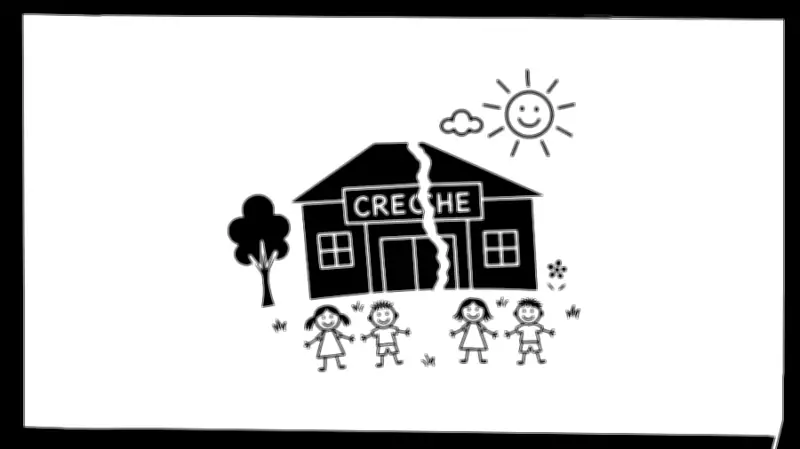
India's crèches, or daycare centers, operate largely without any formal oversight, leaving millions of young children vulnerable to neglect, abuse, and substandard care. According to a 2019 report by the National Commission for Protection of Child Rights (NCPCR), over 70% of crèches surveyed were unregistered, lacking basic safety and hygiene standards. This regulatory vacuum raises a critical question: who is watching our crèches?
The Scale of the Problem
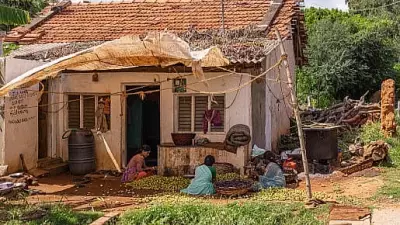
With both parents increasingly participating in the workforce, the demand for crèche facilities has skyrocketed. The Ministry of Women and Child Development estimates that India needs at least 1.5 million crèches to meet the needs of working mothers, but only about 20,000 are officially recognized. This gap has been filled by unlicensed, often makeshift operations in urban slums and rural areas, where children as young as six months are left for 10-12 hours daily. A study by the Centre for Early Childhood Education and Development (CECED) found that 45% of crèches lacked adequate ventilation, 60% had no designated sleeping area, and 30% did not provide any meals.
Safety and Health Hazards
The absence of regulation has led to numerous incidents of child injuries, illnesses, and even deaths. In 2021, a fire in an unregistered crèche in Delhi killed three toddlers; the center had no fire extinguisher or emergency exit. Similarly, a 2020 case in Mumbai saw a child die after consuming contaminated food provided by a crèche. The NCPCR report highlighted that 80% of crèches did not have first-aid kits, and 90% had no child-proofing measures. Dr. Shashi Kumar, a pediatrician at AIIMS, warns, "The lack of basic health and safety protocols in these crèches is a ticking time bomb. Children are at high risk of infections, injuries, and long-term developmental issues."

Lack of Trained Staff
Another critical issue is the quality of care providers. The National Early Childhood Care and Education (ECCE) Policy recommends a caregiver-to-child ratio of 1:10 for crèches, but many centers operate with a ratio of 1:20 or worse. Most caregivers lack formal training in child development or first aid. A survey by the NGO Save the Children found that only 12% of crèche staff had received any training in early childhood education. "Caregivers often treat children as passive recipients of care rather than active learners," says Dr. Anjali Sharma, an early childhood education expert. "This neglects the critical window for brain development in the first three years."
Government Initiatives and Gaps
The government has launched several schemes to address crèche needs, including the Rajiv Gandhi National Crèche Scheme and the National Crèche Scheme under the Integrated Child Development Services (ICDS). However, these programs are underfunded and poorly implemented. The NCPCR report noted that only 30% of the approved crèches under ICDS were operational in 2019. Moreover, the schemes do not cover the vast majority of private crèches, which remain unregulated. The Ministry of Women and Child Development has proposed a Crèche Regulation Bill, but it has not yet been enacted. The bill would mandate registration, minimum standards for infrastructure, staff training, and safety protocols, but critics argue it lacks enforcement mechanisms.
Impact on Children's Development
The consequences of poor crèche conditions extend beyond immediate safety risks. Research shows that quality early childhood care is crucial for cognitive, social, and emotional development. A longitudinal study by the Indian Statistical Institute found that children attending low-quality crèches had lower school readiness scores compared to those in structured preschools. Dr. Sunil Kumar, a child psychologist, explains, "Children in unregulated crèches often experience high levels of stress due to overcrowding, lack of stimulation, and inconsistent caregiving. This can lead to attachment issues and behavioral problems later in life."

Call for Action
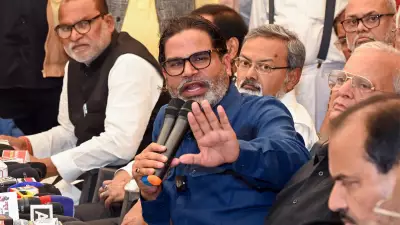
Advocates are calling for urgent action from the government and society. "We need a comprehensive regulatory framework that covers all crèches, public and private, with strict penalties for non-compliance," says Anuradha Bhasin, a child rights activist. "Parents also need to be educated about what to look for in a crèche and how to demand quality." The NCPCR has recommended a three-tier system: registration, inspection by local bodies, and public disclosure of inspection reports. Additionally, there is a need for more investment in training caregivers and raising public awareness about the importance of early childhood care.
Conclusion
As India's workforce evolves, the safety and development of its youngest citizens cannot be left to chance. The current state of crèches is a national concern that requires immediate legislative and societal intervention. Without proper oversight, the question 'who is watching our crèches?' will continue to haunt parents and child rights advocates alike.