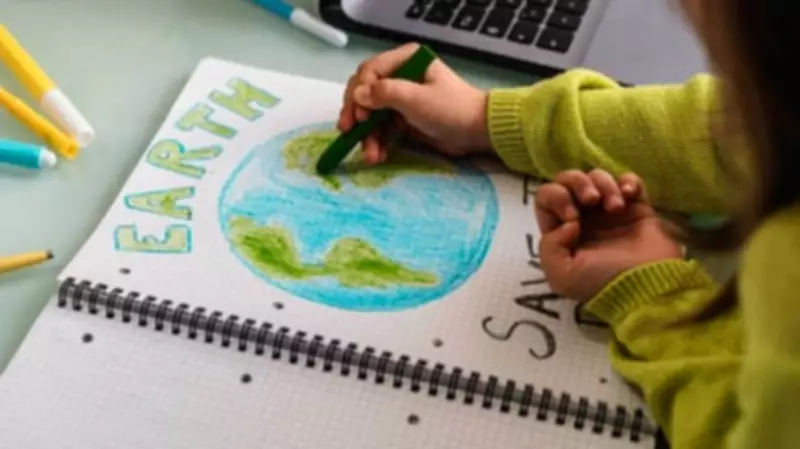
Education is meant to prepare students for the future, but with climate change looming as one of the gravest challenges of our time, a growing debate asks: should climate action projects be compulsory in schools? Proponents argue that integrating hands-on climate initiatives into curricula is essential to equip students with the knowledge and skills to address environmental crises.
The Urgency of Climate Education
Climate change is already disrupting ecosystems, economies, and communities worldwide. According to the United Nations, global temperatures have risen by 1.2°C since pre-industrial levels, and extreme weather events are becoming more frequent. Without decisive action, future generations will bear the brunt of these impacts. Schools, as institutions that shape young minds, have a critical role to play.
Environmental experts contend that climate education must go beyond theory. "Students need to understand not just the science but also the solutions," says Dr. Ananya Sharma, a climate policy researcher at the Indian Institute of Science. "Mandatory projects can foster a sense of agency and responsibility."

Current Initiatives and Gaps
Some countries have already taken steps. In Finland, climate change is integrated across subjects, and students participate in sustainability projects. India's National Education Policy 2020 emphasizes environmental awareness, but implementation varies widely. A 2025 survey by the Centre for Science and Environment found that only 30% of Indian schools have active climate clubs.
Skeptics worry about overburdening teachers and students. "Curriculum overload is a real concern," notes Rajesh Kumar, a principal from Delhi. "We need resources and training, not just mandates." Others argue that climate action should be voluntary to allow for diverse interests.
Benefits of Mandatory Projects
Supporters highlight multiple benefits. Compulsory projects can normalize environmental stewardship, reduce eco-anxiety by empowering students, and build skills like critical thinking and collaboration. A 2024 study from the University of Cambridge found that students who engaged in climate action reported higher levels of optimism and civic engagement.
Successful examples include tree-planting drives, waste audits, and energy conservation campaigns. In Karnataka, a school district reduced its carbon footprint by 15% through student-led initiatives. "These projects teach real-world problem-solving," says Meera Nair, a teacher in Bengaluru.
Policy and Practical Challenges
Implementing mandatory climate action requires political will and funding. Critics point to disparities between urban and rural schools. "Rural schools lack basic infrastructure," says environmental activist Ravi Singh. "We must ensure equity, not add to their burden."
Some propose a phased approach, starting with pilot programs and teacher training. The Ministry of Education has launched a consultation on integrating climate action into the National Curriculum Framework, with results expected later this year.
The Way Forward
As the debate continues, many educators agree that climate action cannot be ignored. "We owe it to our children to prepare them for the world they will inherit," says Dr. Sharma. Whether through mandates or incentives, schools must act. The question is not if, but how.