Walking at Your Own Risk: Why Indian Cities Are Hostile to Pedestrians
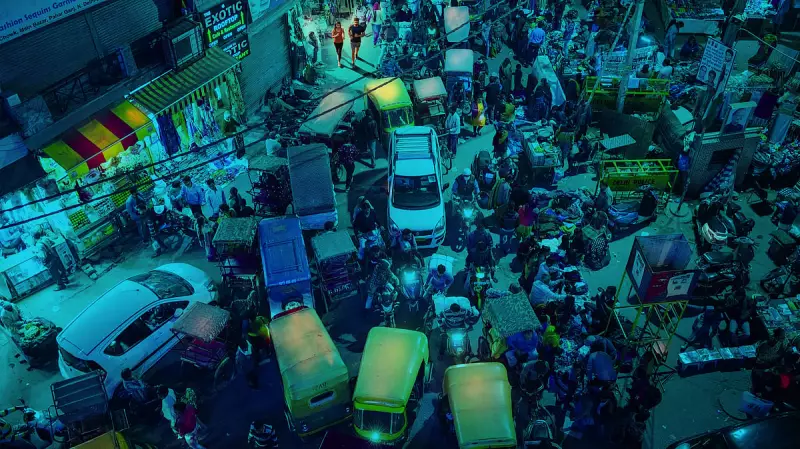
In India, walking in urban areas has become a perilous activity, with cities increasingly designed to favor vehicles over pedestrians. This alarming trend highlights a systemic failure in urban planning and public safety, putting millions of daily walkers at risk.
Poor Infrastructure and Design Flaws
Many Indian cities lack basic pedestrian infrastructure such as sidewalks, crosswalks, and foot overbridges. Where sidewalks exist, they are often encroached upon by vendors, parked vehicles, or construction debris, forcing pedestrians onto dangerous roads. The design of roads frequently prioritizes traffic flow, with wide lanes and high speeds that make crossing streets a hazardous endeavor.
Lack of Enforcement and Safety Measures
Traffic laws meant to protect pedestrians are poorly enforced, with drivers rarely penalized for violations like speeding or failing to yield at crosswalks. The absence of adequate lighting, signage, and speed bumps further exacerbates the risks, especially at night or in low-visibility conditions.

Urban Planning That Neglects Walkability
Urban development in India has historically focused on expanding road networks for cars and two-wheelers, neglecting the needs of pedestrians. This car-centric approach has led to sprawling layouts that discourage walking, contributing to health issues like obesity and pollution, while also increasing reliance on motorized transport.
High Accident Rates and Public Health Impact
According to various reports, a significant percentage of road accident fatalities in India involve pedestrians, underscoring the urgency of this issue. Beyond immediate safety concerns, the hostile environment for walkers affects public health by reducing physical activity and exacerbating air pollution from vehicle emissions.
Steps Toward Improvement
To address this crisis, experts recommend several measures:
- Investing in pedestrian-friendly infrastructure, such as wider sidewalks and safe crossing points.
- Implementing stricter enforcement of traffic laws to protect walkers.
- Incorporating walkability into urban planning policies to create more inclusive cities.
- Raising public awareness about pedestrian rights and safety.
By prioritizing pedestrians, Indian cities can not only reduce accidents but also promote healthier, more sustainable urban environments. The need for action is critical to ensure that walking is no longer a risk but a safe and viable mode of transportation for all.