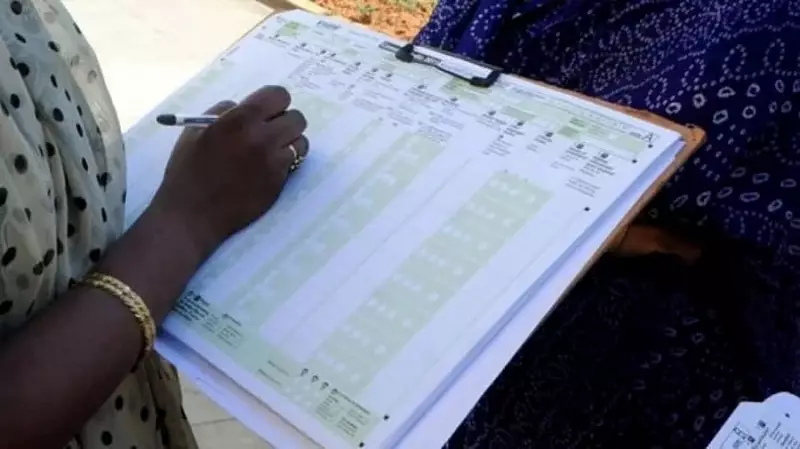
The comprehensive caste census exercise in Karnataka has hit a significant roadblock. As of December 2025, thirteen key state government departments have failed to submit crucial secondary data required by a dedicated panel of the Backward Classes Commission. This delay threatens to stall the ambitious survey aimed at gathering detailed socio-economic information.
Final Warning Issued to Defaulting Departments
The state government, recognizing the urgency, has now issued a final reminder to all the lagging departments. This directive mandates the immediate upload and sharing of the specific information sought by the commission's panel. The requested data is pivotal for building a complete and accurate picture of caste demographics across various public sectors.
The deadline for this data submission has been missed, prompting this last call for compliance. The involved departments have been instructed to prioritize this task to prevent further delays in the census process, which holds major implications for policy and reservation matrices in the state.
What Data is Missing?
The information that remains unreported is critical for the census's secondary analysis phase. Primarily, the defaulting departments have not provided detailed records concerning the caste backgrounds of their employees. Furthermore, parallel data concerning university students enrolled in state institutions is also pending.
This secondary data set is intended to complement the primary door-to-door survey. It helps in cross-verifying information and understanding the representation of various communities within government employment and higher education—two key areas of focus for social justice policies.
Implications and Next Steps
The continued non-compliance of these thirteen departments poses a direct challenge to the timeline and efficacy of the entire caste census. The Backward Classes Commission requires this aggregated data to finalize its report and make evidence-based recommendations to the government.
With the final reminder now in effect, the state administration is expected to monitor responses closely. Further administrative action may be considered against departments that continue to delay the process. The success of this extensive exercise, which began with much public attention, now hinges on swift bureaucratic cooperation to compile a complete dataset.
As reported by Rashmi Belur, this development was confirmed on 01 December 2025. The state awaits a prompt resolution to keep the significant caste census project on track.