
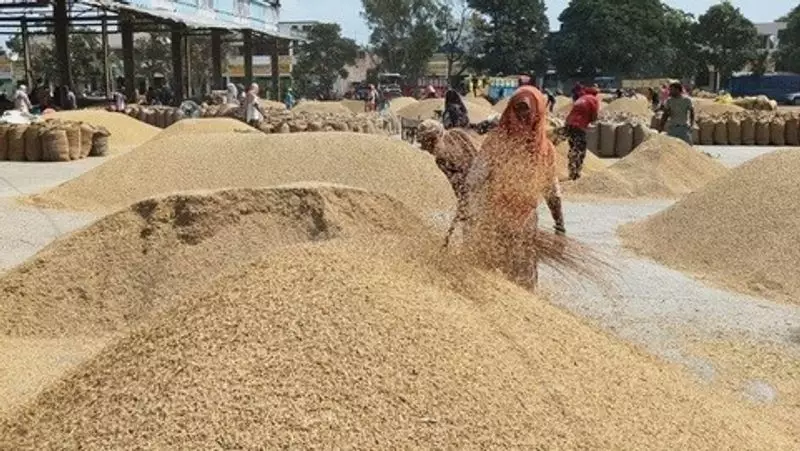
In a significant crackdown on agricultural procurement fraud, the Karnal police in Haryana have registered a case against seven individuals, including the former secretary of the Gharaunda market committee. The First Information Report (FIR) pertains to a sophisticated paddy procurement scam that allegedly took place during the 2022-23 marketing season, involving the use of bogus receipts and fabricated farmer details to siphon off government funds.
The Core of the Alleged Fraud
The case, filed at the Nigdhu police station in Karnal district, centers on illicit activities within the government's paddy procurement system. According to the police complaint, the accused orchestrated a scheme to generate fake and bogus receipts for paddy that was never actually purchased from farmers. These fraudulent documents were then allegedly used to claim payments from the government, defrauding the state exchequer.
The FIR names Ravinder Kumar, the former secretary of the Gharaunda market committee, as a key accused. Alongside him, six other individuals have been booked under relevant sections of the Indian Penal Code. The complaint suggests a conspiracy where the accused colluded to manipulate official records, creating a paper trail for non-existent transactions.
Modus Operandi and Investigation
The scam's modus operandi reportedly involved entering fictitious names and details of farmers into the procurement records. By doing so, the accused created the illusion of legitimate purchases from local cultivators. The bogus receipts generated through this process became the basis for withdrawing substantial sums of money meant for genuine farmers.
While the exact financial magnitude of the scam is under detailed investigation, the filing of the FIR indicates the authorities have gathered prima facie evidence of wrongdoing. The case highlights vulnerabilities in the procurement process that can be exploited by unscrupulous officials and intermediaries. The police are now tasked with uncovering the full extent of the fraud, including the total amount misappropriated and the network involved.
Implications and Broader Impact
This case is not an isolated incident but part of a troubling pattern of procurement scams that plague the agricultural sector in various states. Such frauds have a dual negative impact: they drain public resources meant to support the farming community, and they undermine the integrity of essential government support systems like the Minimum Support Price (MSP) mechanism.
For the farmers of Haryana, scams of this nature erode trust in the very institutions designed to protect their livelihood. When funds are diverted through fake receipts, it ultimately affects the efficiency and fairness of the procurement system. The booking of a former market committee secretary also points to potential insider involvement, suggesting a need for stricter oversight and more robust checks and balances within the administrative framework of agricultural market committees (mandis).
The Karnal police's action sends a strong message about accountability. However, the real test will be in a thorough investigation that leads to the recovery of lost funds and the conviction of all those involved. It also underscores the urgent need for digitization and transparency in the entire procurement chain, from the farmer's field to the government's ledger, to prevent such frauds in the future.