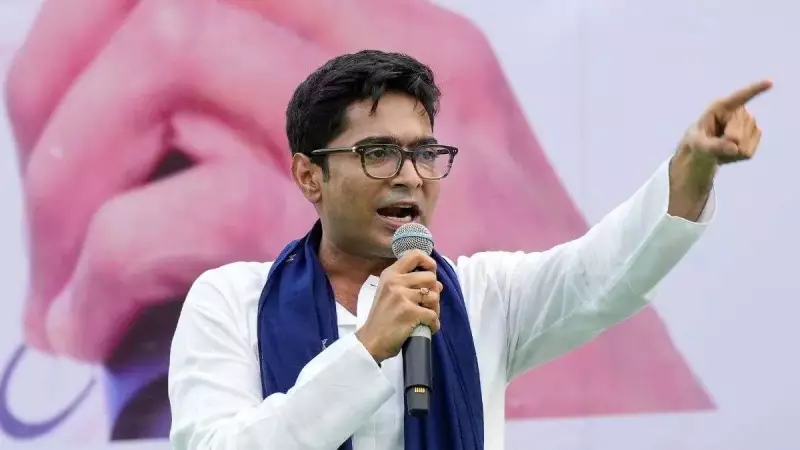
Trinamool Congress (TMC) national general secretary Abhishek Banerjee has provided crucial clarity regarding his party's recent high-level meeting with the Chief Election Commissioner (CEC) of India. The meeting, which sparked widespread speculation, was definitively stated by Banerjee as having no connection to discussions on seat-sharing or political alliances for the upcoming 2026 West Bengal Legislative Assembly elections.
Setting the Record Straight on Meeting Agenda
Addressing the media, Abhishek Banerjee, a key MP and influential leader within the TMC, emphasized that the interaction with CEC Rajiv Kumar and the newly appointed Election Commissioner, Gyanesh Kumar, was purely administrative and procedural in nature. He categorically dismissed the swirling rumors that the meeting was a precursor to any form of electoral understanding or partnership negotiations.
The core agenda, as outlined by Banerjee, revolved around critical issues pertaining to West Bengal's electoral integrity. The TMC delegation raised specific concerns regarding the state's electoral rolls. A primary focus was the alleged presence of a significant number of "duplicate voters" within the system. The party submitted what it claims is evidence supporting this assertion, urging the Election Commission of India (ECI) to take immediate and transparent corrective action to ensure a clean voter list before the next major electoral contest.

Electoral Roll Integrity and 2026 Preparations
This meeting underscores the TMC's proactive approach to election preparedness. By taking its grievances directly to the country's top election body, the party is signaling its intent to contest the 2026 polls on a platform that questions the robustness of the current electoral database. The issue of duplicate voters is a politically charged one in Bengal, often cited by parties alleging administrative bias.
Banerjee's statements serve to reframe the narrative from one of political maneuvering to one of institutional accountability and electoral fairness. The TMC's move can be seen as an attempt to build its campaign for the 2026 assembly elections around the theme of a "free and fair" electoral process, potentially positioning the Election Commission's responsiveness as a benchmark.
Political Implications and Future Roadmap
The clarification from the TMC leadership is significant in the current political landscape. It effectively shuts down early speculation about potential political realignments at the national or state level concerning Bengal. The party, under the stewardship of Mamata Banerjee and with Abhishek Banerjee as its national general secretary, appears to be focusing on consolidating its own organizational strength and challenging the administrative framework rather than seeking immediate alliances.
This meeting with the CEC, held in the national capital, also highlights the ongoing and often contentious dialogue between the ruling party of West Bengal and central constitutional bodies. The outcomes of the ECI's review of the voter list allegations are likely to become a major talking point in the run-up to 2026. For now, Abhishek Banerjee has made it clear: the discussion was about the rules of the game, not about forming teams.
The ball is now in the Election Commission's court to address the concerns raised. How it responds will undoubtedly influence the political discourse in West Bengal as the state slowly gears up for another pivotal assembly election.