

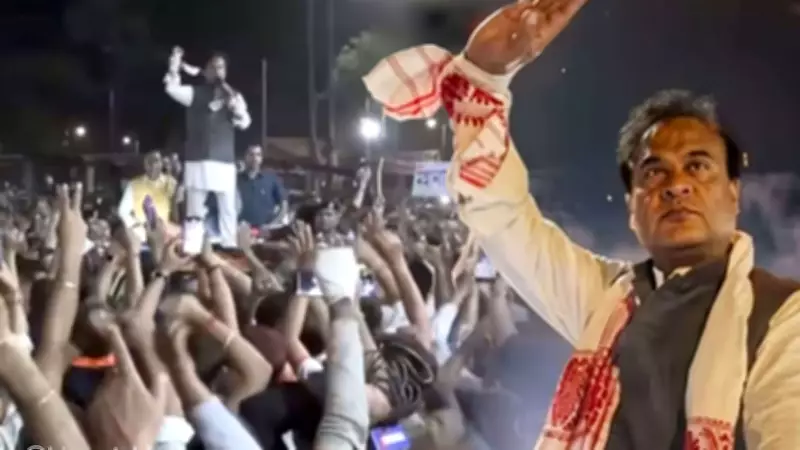
Assam Chief Minister's Jan Ashirwad Yatra Wraps Up First Phase with Overwhelming Public Response
Assam Chief Minister Himanta Biswa Sarma's ambitious Jan Ashirwad Yatra has successfully concluded its inaugural phase, marking a significant political mobilization effort ahead of the crucial 2026 Assembly elections. The eight-day journey spanned an impressive 25 constituencies across the state, drawing what organizers describe as unprecedented and massive public support.
Cultural Extravaganza and Direct Public Engagement
The yatra transformed into a vibrant cultural spectacle as it progressed through various regions. Traditional Bihu dance troupes and tribal performers showcased Assam's rich heritage at multiple stops, creating a festive atmosphere. Chief Minister Sarma engaged directly with lakhs of citizens during the journey, listening to their concerns and outlining the government's development vision.
Senior BJP leaders including Dilip Saikia, Ranjeet Kumar Dass, and Jayanta Malla Baruah accompanied the Chief Minister throughout the yatra, demonstrating party unity and organizational strength. The presence of these key figures underscored the BJP's coordinated approach to grassroots outreach.

Substantial Welfare Announcement During Yatra
In a significant development announced during the yatra, the Assam state government revealed plans to transfer Rs 3,600 crore through the Orunodoi scheme to approximately 40 lakh women beneficiaries. This substantial financial commitment represents a major welfare initiative timed with the political outreach program.
The announcement strategically aligns with the BJP's focus on women's empowerment and economic support for vulnerable sections of society, potentially strengthening the party's appeal among key voter demographics ahead of the elections.
Future Phases and Electoral Landscape
The Jan Ashirwad Yatra is scheduled to continue with its third phase, which will specifically cover the Barak Valley and hill districts of Assam. These regions represent important electoral battlegrounds where the BJP aims to consolidate its support base.
Assam's 126-seat legislative assembly is expected to go to polls in March-April 2026, with the ruling National Democratic Alliance (NDA) coalition seeking to retain power. The Jan Ashirwad Yatra serves as a crucial component of the BJP's early campaign strategy to maintain momentum and connect with voters across the diverse state.
The overwhelming public response during this initial phase suggests strong organizational capabilities and significant popular engagement with the current administration's messaging. As political activities intensify in the lead-up to the 2026 elections, such mass contact programs are likely to play a defining role in shaping the electoral narrative and determining political fortunes in Assam.






