Bathinda Village Imposes Complete Ban on Kite Flying Amid Safety Crisis
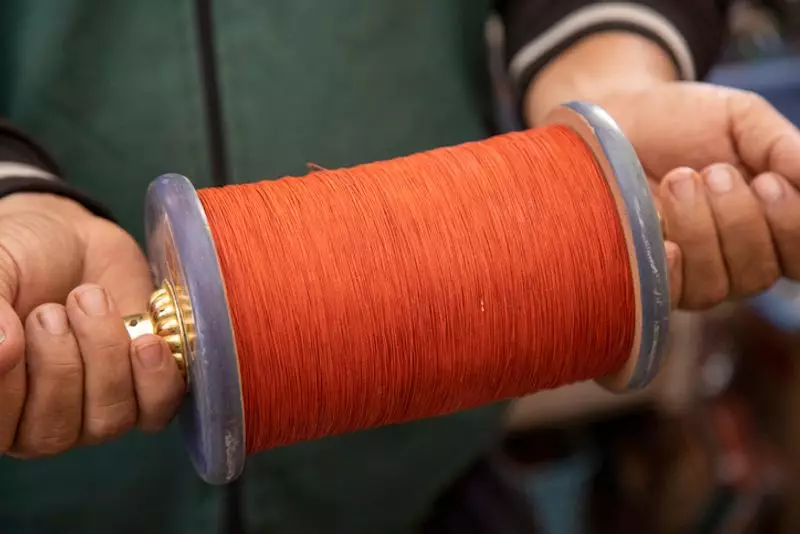
A village in the Bathinda district of Punjab has taken a drastic step to address a growing public safety issue by implementing a total prohibition on kite flying. This decisive action comes in response to a series of alarming accidents and injuries attributed to the use of Chinese manjha, a type of sharp kite string that has become increasingly prevalent in the region. The ban underscores the severe risks posed by these hazardous materials and reflects broader concerns about kite-flying safety measures across the state.
Rising Mishaps Prompt Immediate Village Action
Local authorities in the Bathinda village reported multiple incidents where individuals, including children and adults, suffered serious cuts and injuries from coming into contact with Chinese manjha strings. These strings, often coated with glass or metal particles, are designed to be highly abrasive, making them extremely dangerous when used in crowded or residential areas. The village council, after reviewing these cases, concluded that a blanket ban was necessary to prevent further harm and ensure community well-being.
The decision was made following consultations with residents and law enforcement officials, who highlighted the difficulty in regulating the use of such strings during traditional kite-flying seasons. This move marks a significant shift from previous efforts that focused on awareness campaigns, as the severity of the mishaps demanded more stringent measures.

Broader Implications for Punjab's Kite-Flying Culture
The ban in Bathinda village is not an isolated incident but part of a larger pattern of safety concerns related to kite flying in Punjab. In recent years, other districts have also reported accidents involving Chinese manjha, leading to calls for stricter enforcement of existing regulations or similar prohibitions. The state government has previously issued advisories against the use of these strings, but compliance has been inconsistent, resulting in continued risks to public safety.
Key factors contributing to the persistence of this issue include:
- The affordability and widespread availability of Chinese manjha in local markets.
- Insufficient monitoring and penalties for violators of safety guidelines.
- A lack of public awareness about the specific dangers posed by these strings compared to traditional alternatives.
Community leaders in Bathinda hope that their ban will serve as a model for other villages and urban areas grappling with similar challenges. By taking a firm stance, they aim to protect residents while encouraging a reevaluation of kite-flying practices to align with safety standards.
Looking Ahead: Safety and Tradition in Balance
As the village enforces this ban, discussions are underway about potential alternatives that could allow for the continuation of kite-flying traditions without compromising safety. Suggestions include promoting the use of eco-friendly and non-hazardous strings, organizing supervised kite-flying events in designated areas, and increasing educational outreach about the risks associated with Chinese manjha.
The situation in Bathinda highlights a critical need for coordinated action at both the local and state levels. While the ban addresses immediate dangers, long-term solutions may require legislative changes, better market controls, and community engagement to foster a safer environment for all enthusiasts. This incident serves as a reminder of how cultural practices must evolve to prioritize human safety in the face of emerging threats.