

Bengaluru vs Hyderabad Ranking Sparks Fiery Assembly Debate Over Infrastructure
A contentious debate over global rankings comparing Bengaluru and Hyderabad erupted in the Karnataka legislative assembly on Thursday, leading to testy exchanges between opposition BJP members and the state government. The discussion centered on infrastructure concerns and the cities' positions in international studies.
Opposition Raises Alarm Over Government Silence
BJP leaders R Ashoka and CN Ashwath Narayan cited a Times of India report detailing the 'WeAreCity 2026' study conducted by UnboxingBLR and How India Lives. They accused the government of remaining silent on critical issues even as comparisons between the two cities intensify. Ashoka issued a stark warning, suggesting the matter could take a political turn.
"If you do not clarify and speak now, it will take a political turn as the INDIA block led by Congress is at the helm in Telangana and your friend Revanth Reddy is the chief minister," Ashoka stated, highlighting the political dimensions of the debate.

Government Defends Bengaluru's Global Standing
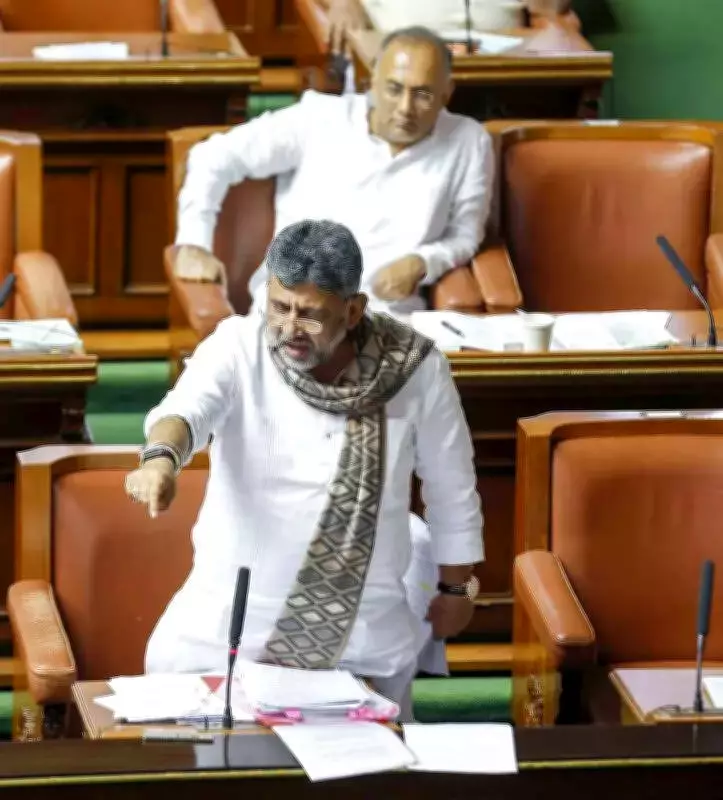
Deputy Chief Minister DK Shivakumar, who also serves as Bengaluru Development Minister, responded by emphasizing Bengaluru's prestigious ranking in the report. He noted that San Francisco secured the top position, London came second, and Bengaluru ranked sixth globally, just behind Beijing, with Hyderabad placed at 26th.
"I am not keen on competing with Hyderabad," Shivakumar asserted, shifting focus to Bengaluru's unique strengths. He acknowledged the city's challenges but expressed a commitment to its growth, drawing from his personal connection as a resident who moved to Bengaluru for schooling.
Comparative Analysis and City Strengths
Narayan provided a nuanced comparison, stating that while Hyderabad is nearly 50% more affordable in terms of cost of living and facilities, Bengaluru's cosmopolitan nature and talent pool remain unparalleled. "There is no city in India like Bengaluru," he declared, urging efforts to build on these advantages.
Shivakumar highlighted Karnataka's robust education infrastructure, with approximately 250 engineering colleges and 70 medical colleges producing around 14,000 doctors annually. He shared insights from his visit to the World Economic Forum in Davos, where global leaders praised Bengaluru's talent.
Global Recognition and Economic Impact
According to Shivakumar, the Prime Minister of the Netherlands remarked that every two out of three technocrats in Silicon Valley hail from Karnataka. This has led to direct collaborations with Bengaluru-based IT firms, resulting in cost savings of nearly 40%. The city boasts about 26 lakh IT professionals and hosts offices of roughly 400 Fortune 500 companies.
Shivakumar also mentioned a request from the American ambassador for names of 10 international schools, as expatriates seek educational opportunities for their children in Bengaluru. "Bengaluru will continue to lead, and other cities will follow. We will build on our strengths and take the city forward," he concluded, underscoring a vision for sustained leadership.
Cooperation and Future Directions
In his closing remarks, Shivakumar emphasized the need for collective effort, stating, "I am aware that I cannot do it alone and require cooperation from all." This call for unity reflects the broader challenges of urban development and infrastructure management facing Bengaluru as it navigates its global tech hub status.






