BJP Secures Dominant Position in Maharashtra Civic Polls
The Bharatiya Janata Party has achieved a remarkable triumph in Maharashtra's municipal corporation elections. On Friday, the party solidified its political dominance by emerging as the single-largest party in 19 out of the 29 municipal corporations that recently went to polls. This performance surpasses its previous record of winning 15 corporations back in 2017.
Key Municipal Corporations Won by BJP
The BJP secured victories across major urban centers in the state. The party coasted to success in Mumbai, Nagpur, Pune, Sangli, Nashik, Akola, Dhule, Jalgaon, Solapur, Ulhasnagar, Ichalkaranji, Jalna, Nanded, Kalyan-Dombivali, Chhatrapati Sambhajinagar, Pimpri-Chinchwad, Navi Mumbai, Mira-Bhayander, and Kolhapur.
In ten other municipal corporations, the BJP finished either second or third. These include Thane, Chandrapur, Malegaon, Ahilyanagar, Vasai-Virar, Bhiwandi, Parbhani, Latur, Panvel, and Amravati.

Mumbai BMC: The Crown Jewel
The most significant victory came in Mumbai, India's financial capital. For the first time ever, the BJP emerged as the single-largest party in the Brihanmumbai Municipal Corporation. This result effectively ended the nearly three-decade-long rule of the Shiv Sena (UBT), led by Uddhav Thackeray.
Devendra Fadnavis: The Driving Force Behind BJP's Success
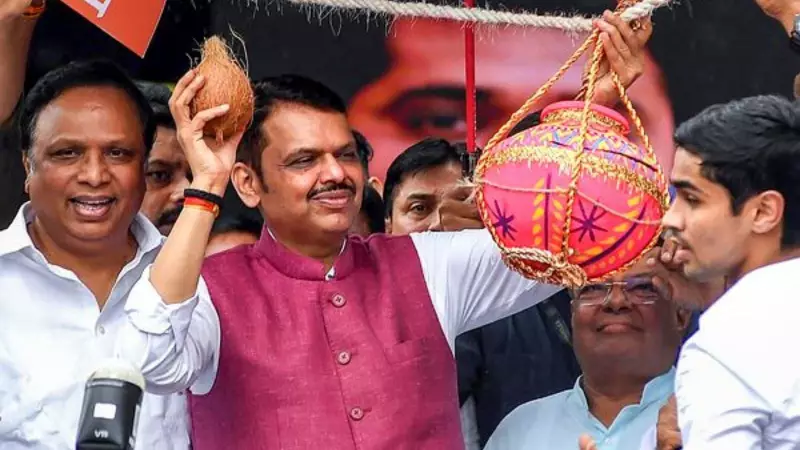
Chief Minister Devendra Fadnavis played a pivotal role in the BJP's electoral dominance. He took personal charge of the campaign with a clear mission to achieve Union Home Minister Amit Shah's target of "shath pratishat BJP" or 100% BJP representation.
Fadnavis campaigned with extraordinary intensity, treating the local elections with the same seriousness as Assembly or parliamentary polls. He addressed multiple rallies daily, crisscrossing districts while promoting a message of good governance and development.
Strategic Campaign Decisions
The BJP implemented several tactical moves to secure their victory. One crucial decision involved keeping central BJP leaders away from Mumbai campaign rallies. The party deliberately did not invite Prime Minister Narendra Modi, Union Home Minister Amit Shah, or Uttar Pradesh Chief Minister Yogi Adityanath to address gatherings in Mumbai.
This strategic choice aimed to prevent the Thackeray cousins from whipping up anti-Gujarat or anti-North India sentiments during their campaign. Senior BJP functionaries confirmed this was a calculated move to neutralize potential emotional appeals based on Marathi pride.
Multi-Pronged Electoral Strategy
The BJP executed a comprehensive strategy that included multiple approaches to ensure victory across Maharashtra.
Expansion and Candidate Selection
State BJP president Ravindra Chavan oversaw an extensive expansion drive. The party opened its doors wide to accommodate suitable candidates from opposition parties in large numbers. This "tod fod ki rajneeti" or politics of breaking up rivals had previously proven successful at the state level, and the BJP effectively applied it at the taluka level as well.
The party brought in smaller local players who possessed significant influence within their communities. This approach helped the BJP establish stronger grassroots connections across Maharashtra.
Navigating Political Alliances
The election witnessed multi-cornered contests that exposed divisions within both the Mahayuti and Maha Vikas Aghadi alliances. These fractured political landscapes ultimately benefited the BJP, which possesses the largest election machinery, resources, and manpower in the state.
The Shiv Sena (UBT) joined hands with the Maharashtra Navnirman Sena, while the Congress allied with the Vanchit Bahujan Aghadi. Similarly, the Ajit Pawar-led NCP formed an alliance with Sharad Pawar's NCP (SP). These fragmented alliances prevented any effective anti-BJP consolidation.
Countering Regional Sentiment with Broader Appeal
To effectively counter the Thackeray cousins' emphasis on Marathi pride in Mumbai, the BJP subtly promoted the Hindutva plank at various levels. Party strategists believed this approach would help override caste and community divisions.

This strategy helped consolidate Hindu votes not just in Mumbai but across other municipal corporations including Nashik, Dhule, Chhatrapati Sambhajinagar, Akola, and Nanded. These areas have significant minority populations, making the BJP's performance particularly noteworthy.
A New Political Landscape in Maharashtra
The BJP's sweeping victory in Maharashtra's municipal corporation elections marks a significant shift in the state's political dynamics. Under Devendra Fadnavis's leadership, the party has demonstrated its organizational strength and strategic planning capabilities.
The results indicate the BJP's growing influence at the grassroots level across urban Maharashtra. The party's ability to adapt its strategies to local contexts while maintaining a cohesive statewide campaign has proven highly effective.
This electoral triumph strengthens the BJP's position as Maharashtra's dominant political force while presenting new challenges for opposition parties seeking to regroup and rebuild their support bases across the state.