

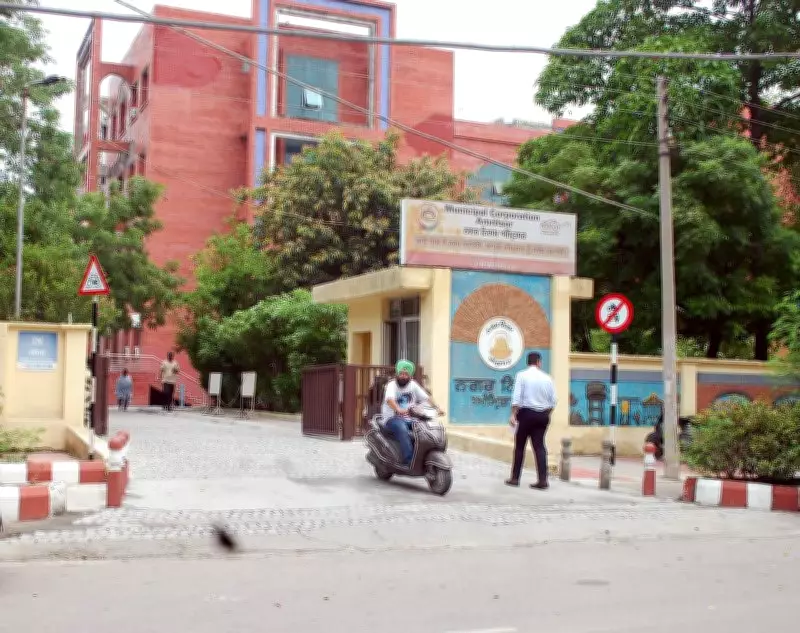
Congress Councillors Voice Dissent Over Restricted Speaking Time at Amritsar MC House Meeting
In a recent development that has stirred political debate in Punjab, Congress councillors in Amritsar have raised significant objections regarding the limited time allocated for discussions during a Municipal Corporation (MC) house meeting. The councillors argued that the constrained speaking time hampers their ability to effectively address critical civic issues and represent their constituents' concerns, thereby undermining the democratic process within the local governance framework.
Details of the Objections and Meeting Dynamics
The controversy unfolded during a scheduled MC house meeting in Amritsar, where Congress councillors expressed their dissatisfaction with the predetermined time limits imposed on discussions. According to reports, the councillors contended that the restricted allocation of time prevents thorough deliberation on important matters such as infrastructure development, sanitation, water supply, and other municipal services. They emphasized that such limitations could lead to hasty decisions and a lack of transparency in governance, potentially affecting the quality of public services in the city.
The councillors highlighted that in a democratic setup, adequate time for debate is essential to ensure that all viewpoints are considered and that decisions are made in the best interest of the public. They pointed out that similar issues have been raised in past meetings, but no substantial changes have been implemented to address their concerns. This ongoing dispute reflects broader tensions between the ruling party and opposition members in the MC, with the Congress councillors accusing the administration of attempting to stifle dissent and limit accountability.

Implications for Local Governance and Public Representation
The objections raised by the Congress councillors have sparked discussions about the effectiveness of municipal governance in Amritsar. Critics argue that limiting discussion time can erode public trust and hinder collaborative problem-solving, especially in a city facing various urban challenges. The councillors have called for a review of the meeting protocols to allow for more inclusive and extensive debates, suggesting that this would foster better decision-making and enhance civic engagement.
Furthermore, this incident underscores the importance of procedural fairness in local government bodies. As Amritsar continues to grapple with issues like urban planning and resource management, the ability of elected representatives to freely express their views becomes crucial. The Congress councillors' protest may prompt other political groups to advocate for similar reforms, potentially leading to changes in how MC meetings are conducted across Punjab.
In response, municipal officials have stated that time limits are necessary to ensure meetings run efficiently and that all agenda items are covered. However, they have acknowledged the need to balance efficiency with thorough discussion, indicating that future meetings might see adjustments to address these concerns. The outcome of this dispute could set a precedent for other municipal corporations in the region, influencing governance practices and political dynamics at the local level.






