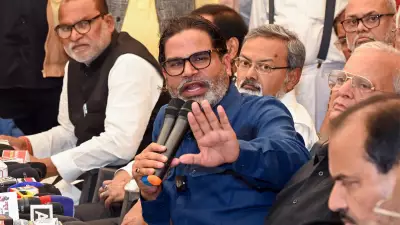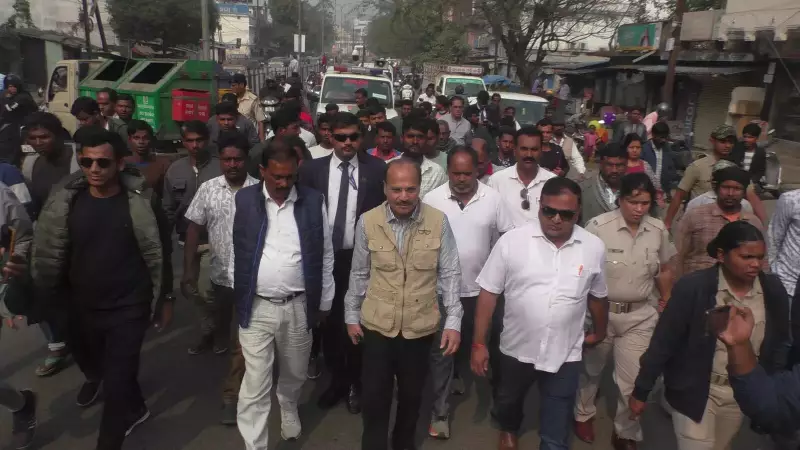
Senior Congress leader and former Member of Parliament, Adhir Ranjan Chowdhury, made a significant visit to Sambalpur on Sunday. His primary objective was to conduct a personal review of the ongoing investigation into the recent and troubling murder of a Bengali migrant worker in the district.
On-Ground Assessment of the Crime Scene
Chowdhury arrived in the city to personally evaluate the circumstances surrounding the killing of Sheikh Jewel Rana. The incident had occurred within the jurisdiction of the Ainthapali police station. Demonstrating a hands-on approach, the Congress leader inspected the actual crime scene where the tragic event unfolded.
He also engaged in detailed conversations with local residents. These interactions aimed to piece together a clear understanding of the sequence of events and the specific conditions that led to the fatal incident. Through this grassroots inquiry, Chowdhury sought to gather independent accounts from the community.

Questioning the Official Narrative
Following his inspection, Adhir Ranjan Chowdhury raised critical questions about the police's version of the events. He emphasized the necessity to ascertain whether the official account was accurate or if there were other motivating factors behind the crime.
A key point of his inquiry focused on whether the killing was connected to suspicions regarding the victim's identity. Specifically, Chowdhury highlighted allegations that Rana was suspected of being a Bangladeshi national, suggesting that communal or xenophobic prejudice might have played a role in the violence.
Meeting with Police Officials
To get official clarity, Chowdhury later held a meeting with Himanshu Lal, the Inspector General (IG) of the Northern Range. The discussion centered on the progress made in the murder investigation.
IG Himanshu Lal stated that all information sought by the Congress leader had been duly provided to him. Lal also provided a crucial update on the case, confirming that all the accused individuals involved in the murder have been arrested by the police.
The visit underscores the political and social sensitivity surrounding the case, particularly issues related to migrant worker safety and identity-based violence in the region.