Congress's Political Disarray Exposed in Punjab CBI Probe Controversy
The ongoing controversy surrounding a potential Central Bureau of Investigation (CBI) probe into the case linked to Punjab Warehousing Corporation district manager Gagandeep Randhawa has once again highlighted the Congress party's persistent struggle to present a cohesive and unified political line in Punjab. This political episode has exposed significant internal challenges within the principal opposition party.
Initial Political Momentum and Pressure Tactics
The issue initially provided the Congress with a substantial political opportunity to keep the ruling Aam Aadmi Party (AAP) government on the defensive following Randhawa's tragic suicide on March 20. Congress, in coordination with the Bharatiya Janata Party (BJP) and Shiromani Akali Dal (SAD), successfully built considerable pressure that ultimately led to the registration of a First Information Report (FIR) against Minister Laljit Singh Bhullar.
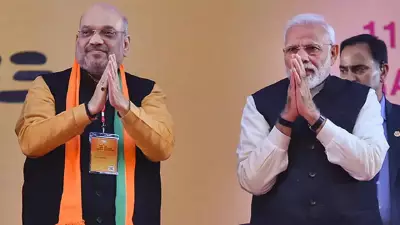
Congress parliamentarians further intensified the pressure at the national level. Four party MPs formally wrote to Union Home Minister Amit Shah specifically requesting a CBI investigation into the matter. Additionally, MP Gurjit Singh Aujla raised the issue in the Lok Sabha, seeking an investigation by the National Investigation Agency (NIA), receiving assurances of action from the home minister.

Shift in Political Dynamics and Internal Challenges
However, the political momentum experienced a significant shift following a joint opposition protest in Chandigarh. During this event, both the BJP and SAD redirected their attacks toward the Congress itself, specifically questioning why Punjab Congress president Amrinder Singh Raja Warring had not proactively demanded a CBI inquiry from the outset.
This strategic line of attack effectively placed the Congress on the defensive. While Leader of Opposition Partap Singh Bajwa and Warring both publicly denied any internal differences within the party, their collective response lacked the sharpness and coordination expected from the principal opposition force in the state. The perception of disunity was further reinforced by the noticeable silence of several senior Congress leaders, many of whom did not publicly rally behind Warring during this critical period.
Explaining Rather Than Driving the Narrative
Instead of driving the political narrative forward, the Congress found itself in the position of explaining its stance and defending its internal coherence. Both Bajwa and Warring issued multiple clarifications emphasizing that their position was nuanced and that no contradictions existed within the party leadership. However, by this stage, the Congress had already ceded significant political ground to its rivals.
This shift in focus provided the ruling AAP government with valuable breathing space, as the political discourse briefly moved away from pressure on the administration to questions regarding the Congress's own strategic approach and internal coordination.
The Larger Dilemma Over Central Agencies
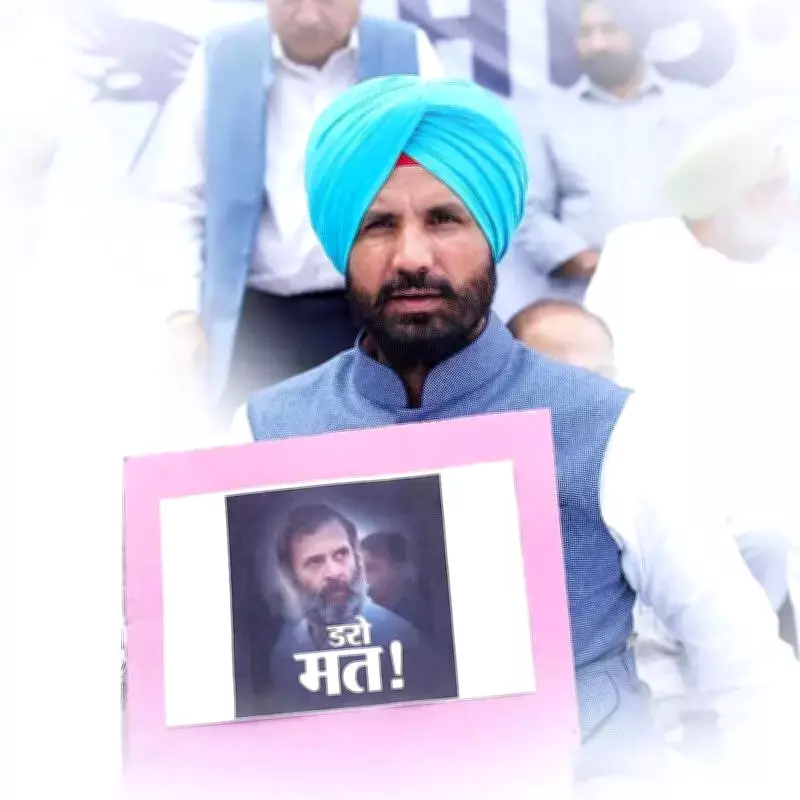
The episode also underscored the Congress's broader dilemma concerning central investigative agencies. At the national level, Rahul Gandhi and other senior Congress leaders have repeatedly accused the BJP-led central government of utilizing agencies such as the CBI for political purposes. In Punjab specifically, the previous Congress government led by Captain Amarinder Singh had withdrawn general consent to the CBI in 2020, citing its experiences during the 2015 sacrilege cases.
Against this historical backdrop, Warring's public skepticism regarding the CBI's fairness and impartiality was not ideologically inconsistent with the party's established national position. Yet the absence of a sharper, more unified articulation of this stance allowed political rivals to define and dominate the public debate.
Lost Political Initiative and Diminished Traction
Over the past week, the issue has visibly lost political steam, highlighting how quickly the Congress surrendered the initiative on a matter where it had initially found significant traction. The party's inability to maintain consistent pressure and present a coordinated front has raised questions about its effectiveness as an opposition force in Punjab.

The entire episode serves as a revealing case study of the Congress's ongoing challenges in Punjab politics, where internal coordination, strategic clarity, and narrative control remain persistent areas of concern for the party leadership.