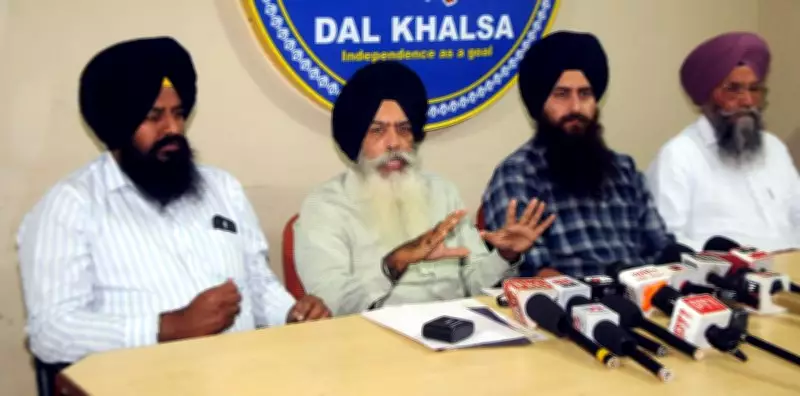
Dal Khalsa Appeals to Akal Takht for Unified Anti-Sacrilege Law Consensus
The Dal Khalsa, a prominent Sikh organization, has formally urged the Akal Takht, the highest temporal authority in Sikhism, to spearhead efforts in building a broad consensus among various Sikh bodies and communities. This initiative aims to advocate for the enactment of a robust anti-sacrilege law, designed to safeguard religious sites and scriptures from acts of desecration.
Call for Legislative Action to Protect Religious Sanctity
In a significant move, Dal Khalsa representatives emphasized the critical need for legal measures to address incidents of sacrilege, which have sparked widespread concern within the Sikh community. They highlighted that such a law would serve as a deterrent against violations targeting gurdwaras, the Guru Granth Sahib, and other sacred symbols, thereby upholding the principles of religious freedom and respect.
The organization stressed that consensus-building is essential to ensure the law reflects the collective will of Sikhs and garners support across political and social spectrums. This approach seeks to avoid fragmentation and strengthen the community's voice in legislative processes.

Historical Context and Current Imperatives
This appeal comes against a backdrop of past incidents where sacrilege cases have led to public outcry and demands for stricter legal frameworks. Dal Khalsa pointed out that existing laws may not adequately address the unique sensitivities and cultural significance of religious offenses in Sikhism, necessitating specialized legislation.
By involving the Akal Takht, the organization aims to leverage its moral and spiritual authority to unify diverse Sikh factions and streamline advocacy efforts. The Akal Takht's role is seen as pivotal in mediating discussions and formulating a cohesive stance that can be presented to governmental authorities.
Potential Impacts and Community Response
If successful, this consensus could pave the way for:
- Enhanced legal protections for religious properties and practices.
- Greater awareness and education on religious tolerance and respect.
- Strengthened communal harmony through proactive legal measures.
Community leaders and activists have generally welcomed Dal Khalsa's initiative, viewing it as a step towards addressing long-standing grievances. However, some caution that the process must be inclusive and transparent to avoid political exploitation or sectarian divisions.
In conclusion, Dal Khalsa's call to the Akal Takht underscores a proactive effort to fortify religious safeguards through legislative means. As discussions unfold, the focus remains on fostering unity and ensuring that any proposed law effectively combats sacrilege while respecting democratic principles and Sikh tenets.