

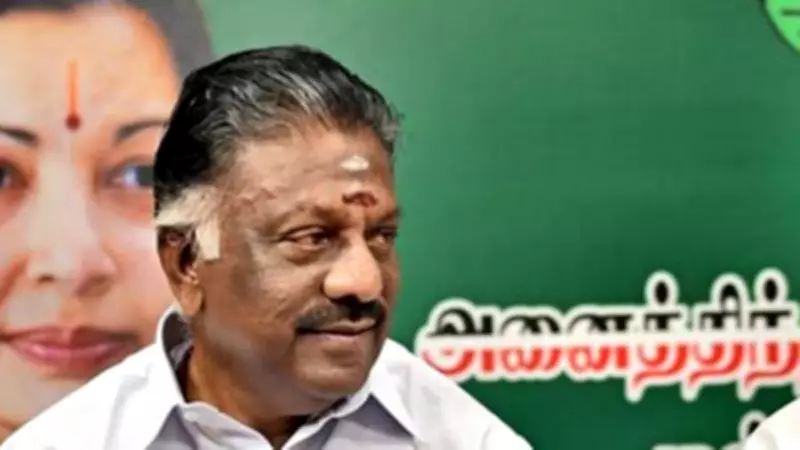
TTV Dhinakaran Exposes Internal AIADMK Dynamics Behind Panneerselvam's Resignation
In a significant revelation, TTV Dhinakaran has clarified that O. Panneerselvam's resignation as the Chief Minister of Tamil Nadu was driven by pressure from his own colleagues within the AIADMK, rather than any influence from V.K. Sasikala. This statement marks one of the first detailed accounts of the political turmoil that engulfed the party following the death of former Chief Minister J. Jayalalithaa.
Detailed Account of Post-Jayalalithaa AIADMK Events
Dhinakaran's insights shed light on the complex internal dynamics that unfolded after Jayalalithaa's passing. He emphasized that Panneerselvam faced mounting pressure from fellow AIADMK members, leading to his decision to step down. This narrative challenges previous assumptions that Sasikala, a close aide of Jayalalithaa, played a pivotal role in forcing the resignation.
The political landscape in Tamil Nadu has been marked by intense factionalism and power struggles within the AIADMK. Dhinakaran's account suggests that these internal conflicts were a primary factor in the leadership change, highlighting the party's challenges in maintaining unity during a transitional period.

Implications for Tamil Nadu Politics
This revelation could reshape public perception of the events that led to Panneerselvam's resignation. By attributing the move to internal party pressure rather than external influence from Sasikala, Dhinakaran provides a new perspective on the power dynamics at play. It underscores the ongoing tensions within the AIADMK as it navigates its post-Jayalalithaa era.
As Tamil Nadu continues to grapple with political developments, such disclosures offer valuable insights into the behind-the-scenes maneuvers that shape governance. Dhinakaran's detailed account serves as a crucial piece in understanding the broader narrative of state politics during this turbulent time.






