Gujarat State Election Commission Unveils Schedule for Major Local Body Polls
The Gujarat State Election Commission (SEC) has officially declared the electoral calendar for the upcoming local body elections, a significant democratic exercise encompassing nearly 10,000 seats. This announcement marks a pivotal moment in the state's political landscape, setting the stage for grassroots governance decisions that will impact communities across Gujarat.
Comprehensive Poll Schedule and Key Dates
According to the detailed schedule released by the commission, the voting process for these crucial local body elections is slated to take place on April 26, 2026. The elections will cover a wide array of local governance bodies, including municipalities, district panchayats, taluka panchayats, and village panchayats, ensuring representation at multiple administrative levels.
The commission has outlined a phased approach to the electoral process, with notification dates, nomination filings, scrutiny periods, and withdrawal deadlines to be specified in the coming months. This structured timeline aims to facilitate a smooth and transparent election process, adhering to constitutional mandates and electoral best practices.

Scope and Significance of the Elections
With nearly 10,000 seats up for grabs, these elections represent one of the largest local body electoral exercises in Gujarat's recent history. The polls are critical for determining leadership in local self-government institutions, which play a vital role in implementing state and central government schemes, managing local infrastructure, and addressing community-specific issues.
The elections are expected to see intense political competition, with major parties like the Bharatiya Janata Party (BJP), Indian National Congress (INC), and other regional outfits gearing up for campaigns. Issues such as rural development, urban sanitation, water supply, and healthcare are likely to dominate the electoral discourse, reflecting the direct impact of local governance on citizens' daily lives.
Preparations and Electoral Integrity Measures
The Gujarat SEC has emphasized its commitment to ensuring free, fair, and peaceful elections. Preparations include:
- Voter list revisions to include eligible voters and remove discrepancies.
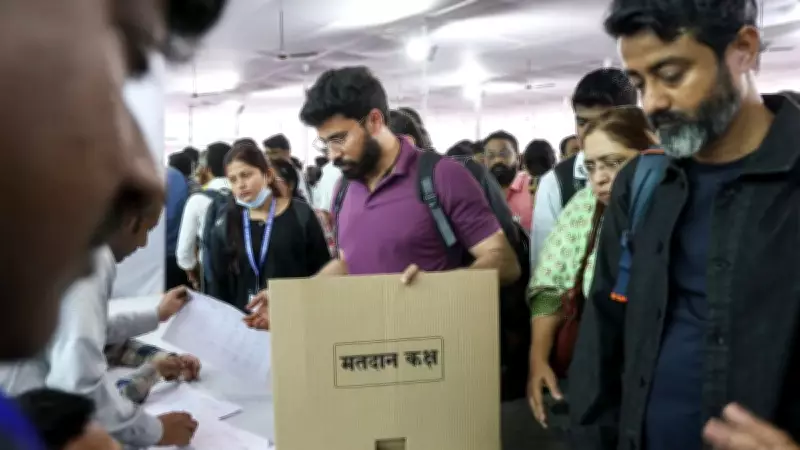
- Deployment of electronic voting machines (EVMs) and voter-verifiable paper audit trail (VVPAT) systems to enhance transparency.
- Security arrangements in coordination with state police to prevent malpractices and maintain law and order.
- Awareness campaigns to encourage voter participation, particularly among youth and marginalized groups.
Commission officials have stated that all necessary steps will be taken to uphold the integrity of the electoral process, in line with the Model Code of Conduct and relevant election laws.
Political and Administrative Implications
The announcement of the election schedule has triggered a flurry of political activity across Gujarat. Parties are expected to finalize candidate lists, strategize campaign trails, and mobilize resources in the lead-up to the polls. For the ruling BJP, these elections serve as a mid-term assessment of its governance at the local level, while opposition parties view them as an opportunity to gain footholds in key regions.
Administratively, the elections will lead to the formation of new local bodies tasked with executing development projects and managing public services. The outcomes could influence policy implementation and resource allocation in areas such as education, healthcare, and infrastructure, shaping Gujarat's progress in the coming years.
As the state gears up for this massive democratic exercise, all eyes will be on the electoral dynamics and voter turnout, which will ultimately determine the future of local governance in Gujarat.