

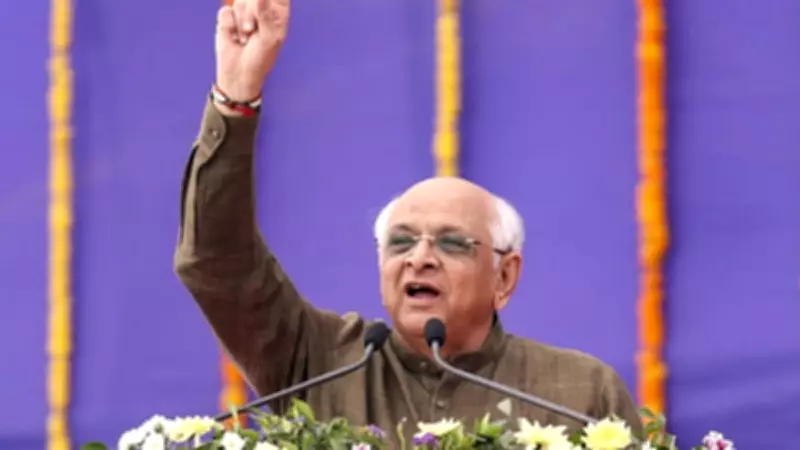
Gujarat Assembly Tables Landmark Uniform Civil Code Bill
The Gujarat Legislative Assembly has taken a significant step by tabling a comprehensive Uniform Civil Code (UCC) Bill, which aims to establish a common legal framework governing key personal matters. The proposed legislation seeks to standardize laws related to marriage, succession, and live-in relationships across all communities within the state.
Bill Tabled by Chief Minister Bhupendra Patel
The Bill was formally introduced in the assembly by Gujarat Chief Minister Bhupendra Patel. This move comes precisely one week after a state-appointed expert committee submitted its final report on the implementation of the Uniform Civil Code in Gujarat. The timing underscores the government's intent to act swiftly on the panel's recommendations.
Key Provisions of the Proposed UCC Framework
The proposed Bill outlines several critical areas where uniform laws would be applied:

- Marriage: Establishing common regulations for marriage ceremonies, registration, and dissolution, potentially replacing diverse personal laws currently followed by different religious communities.
- Succession and Inheritance: Creating a standardized set of rules for the distribution of property and assets after death, aiming to ensure equal treatment under the law.
- Live-in Relationships: Formally recognizing and regulating live-in partnerships, providing legal clarity and rights for individuals in such arrangements, which has been a contentious and legally ambiguous area in India.
Background and Implementation Process
The push for a Uniform Civil Code in Gujarat has been a subject of political and social discussion for some time. The state government constituted a dedicated committee to study the feasibility and draft provisions for implementing the UCC. This panel, after extensive deliberations, submitted its conclusive report to the government, paving the way for the legislative proposal.
The tabling of the Bill marks the beginning of the legislative process. It will now undergo scrutiny, debate, and possible amendments in the assembly before it can be enacted into law. The move is seen as a pilot or model initiative that could influence similar efforts in other Indian states or at the national level.
Potential Implications and Reactions
The introduction of the UCC Bill is expected to generate significant public and political discourse. Proponents argue that it promotes gender equality, secularism, and national integration by ensuring one law for all citizens in personal matters. Critics, however, may raise concerns about the impact on religious freedoms and cultural practices.
The development positions Gujarat at the forefront of a major legal and social reform in India, closely watched by policymakers, legal experts, and civil society groups across the country.






