Gujarat Government Proposes Stricter Marriage Registration Rules with Parental Intimation Clause
The Gujarat government has introduced a significant proposal to make marriage registration rules more stringent, including a new clause that mandates intimation to parents. This legislative move has garnered a mixed political response, with the Aam Aadmi Party (AAP) openly welcoming the changes, while the Congress party has chosen to remain silent on the issue, not offering any immediate comment or stance.
Political Reactions and Legislative Support
In the state assembly, AAP MLA Hemant Ahir and BJP MLA Lavingji Thakor expressed their support and congratulated the government when Deputy Chief Minister Harsh Sanghavi presented the details of the proposed amendments. Ahir, who had previously introduced a private member's Bill addressing similar concerns, stated that the changes were urgently needed to address loopholes in the existing system. He praised the government for taking proactive steps to reform the marriage registration procedures.
Thakor, a vocal advocate for amending the rules, highlighted the societal benefits, noting that the new measures aim to protect innocent girls from being exploited by anti-social elements who have taken advantage of the current system's weaknesses to solemnize and register marriages under deceptive circumstances.

Background and Community Involvement
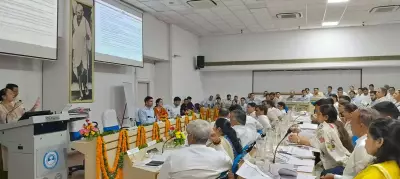
The proposal comes after extensive consultations with various social organizations over the past three months, during which approximately 30 meetings were held to finalize the changes. The influential Patidar community has been a key proponent, long demanding stricter measures to prevent cases where girls are lured into marriage through deceit. However, the government has also received representations from other communities, indicating broad-based support for the amendments across different social groups in Gujarat.
The new rules are designed to enhance transparency and accountability in the marriage registration process, ensuring that families are informed and involved, thereby reducing instances of fraud and exploitation. This move is seen as a step towards safeguarding vulnerable individuals and strengthening familial bonds in the state.