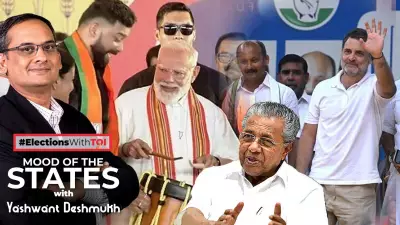
The Gulf Stream's Influence on Kerala's Political Landscape
In the intricate tapestry of Kerala's political scene, a unique phenomenon often referred to as the "Gulf Stream" plays a pivotal role. This metaphorical current, representing the massive outflow of Keralites to Gulf countries for employment, has woven itself deeply into the state's socio-economic and political fabric. The impact is profound, shaping electoral outcomes, policy decisions, and cultural narratives in ways that are both subtle and overt.
Historical Context and Migration Patterns
The migration from Kerala to the Gulf region began in earnest during the 1970s, fueled by the oil boom and the demand for skilled and unskilled labor. Over the decades, this has evolved into a steady stream, with millions of Keralites now residing in countries like the United Arab Emirates, Saudi Arabia, Qatar, and Oman. This diaspora has not only transformed the economic landscape through substantial remittances but has also introduced new political dynamics back home.
Economic Remittances and Political Clout
Remittances from Gulf migrants constitute a significant portion of Kerala's economy, often exceeding revenue from traditional sectors. This financial influx has empowered the diaspora, granting them considerable influence in political circles. Political parties in Kerala actively court this demographic, recognizing their ability to sway elections through funding, campaigning, and voter mobilization. The Gulf connection has led to the emergence of policies tailored to address the needs of migrants, such as welfare schemes, investment opportunities, and diplomatic initiatives.

Cultural and Social Shifts
Beyond economics, the Gulf Stream has fostered cultural exchanges that resonate in Kerala's politics. Exposure to diverse ideologies and governance models in Gulf countries has influenced political discourse, with issues like labor rights, secularism, and global connectivity gaining prominence. This has prompted political parties to adapt their platforms, incorporating elements that appeal to the diaspora and their families. The result is a more cosmopolitan political environment, where international perspectives often intersect with local concerns.
Electoral Dynamics and Voting Behavior
The influence of Gulf migrants extends directly to the ballot box. Many maintain strong ties to Kerala, participating in elections through postal ballots or by influencing family members' votes. Political analysts note that constituencies with high migration rates often see distinct voting patterns, with candidates who champion diaspora-friendly policies gaining an edge. This has led to a competitive landscape where parties vie for the Gulf vote, sometimes leading to alliances and strategies centered on migrant welfare.
Challenges and Future Implications
Despite its benefits, the Gulf Stream presents challenges, such as dependency on remittances and brain drain. Politically, it raises questions about representation and accountability, as migrants' interests may sometimes conflict with those of residents. Looking ahead, as global economic shifts and policy changes in Gulf countries affect migration, Kerala's politics must navigate these uncertainties. The ongoing evolution of this dynamic promises to keep the Gulf Stream a central theme in the state's political narrative.
In summary, the Gulf Stream is more than just a migration trend; it is a powerful force that continuously reshapes Kerala's political identity, blending local traditions with global influences in a unique and impactful way.