

Haryana Farmers Stage Widespread Protests Over Crop Loss and Mandi Restrictions
Farmers across multiple districts in Haryana, including Hisar, Fatehabad, and Jind, organized significant protests on Thursday, voicing dual demands for compensation following severe crop damage from recent adverse weather and strong opposition to newly implemented restrictions in agricultural markets. The demonstrations highlighted growing discontent among agricultural communities facing both natural and administrative challenges.
Demands for Weather-Related Crop Loss Compensation
In Hisar, farmers affiliated with the All India Kisan Sabha gathered at the mini secretariat to stage a demonstration, subsequently submitting a formal memorandum addressed to the chief minister. The primary grievance centered on substantial crop losses incurred due to heavy rain, hailstorm, and strong winds that struck the region on March 31. According to farmer leaders, key crops such as wheat, gram, mustard, and barley experienced severe damage across numerous villages, exacerbating financial strain for many.
The protesters articulated a clear set of demands, calling for an immediate special survey to assess the extent of the damage, a comprehensive 100% crop-loss evaluation, prompt disbursement of compensation, and the introduction of a special relief package specifically tailored for debt-ridden farmers. Emphasizing the urgency of the situation, the farmers issued a stern warning, indicating plans to intensify their agitation if the state administration fails to respond swiftly and effectively to their concerns.

Opposition to New Mandi Regulations and Alleged Harassment
Simultaneously, farmers under the banners of the Bharatiya Kisan Union (Ekta Sidhupur) and the Samyukta Kisan Morcha (Non-Political) launched protests targeting newly introduced rules governing crop sales in mandis. Key points of contention include mandatory biometric verification for obtaining gate passes and the requirement to upload photographs of tractor-trolleys. Farmers have criticized these measures as impractical, arguing that they could lead to unnecessary delays, increased congestion at market entrances, and potential harassment during the already stressful procurement season.
In Fatehabad, members of the Kheti Bachao Kisan Union echoed similar sentiments, specifically protesting against biometric norms linked to wheat procurement. They too submitted a memorandum to the deputy commissioner, urging a reconsideration of these regulations to alleviate operational burdens on farmers.
Complaints Over Market Conditions in Jind
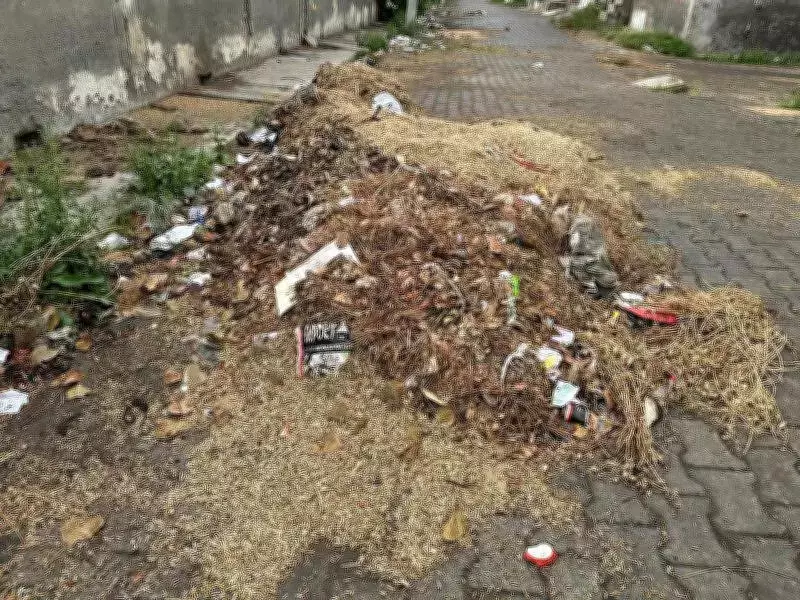
Meanwhile, in Jind, the Bharatiya Kisan Union raised separate concerns regarding the conditions at the new grain market. The union alleged that farmers are facing misbehavior from some commission agents and shopkeepers, who have reportedly acted rudely. Additionally, they highlighted deteriorating infrastructure issues, including open sewer manholes, accumulated garbage, and overgrown weeds, which collectively worsen the market environment.
The BKU further claimed that platforms and sheds designated for farmers' use have been encroached upon, forcing many to unload their crops in open areas without adequate shelter. In response, the union demanded immediate corrective action from authorities and warned of organizing a protest if these issues remain unresolved in the near future.
Contrasting these allegations, the local administration maintained that arrangements within the mandi are functioning in order, suggesting a disconnect between official assessments and ground-level experiences reported by the farming community.






