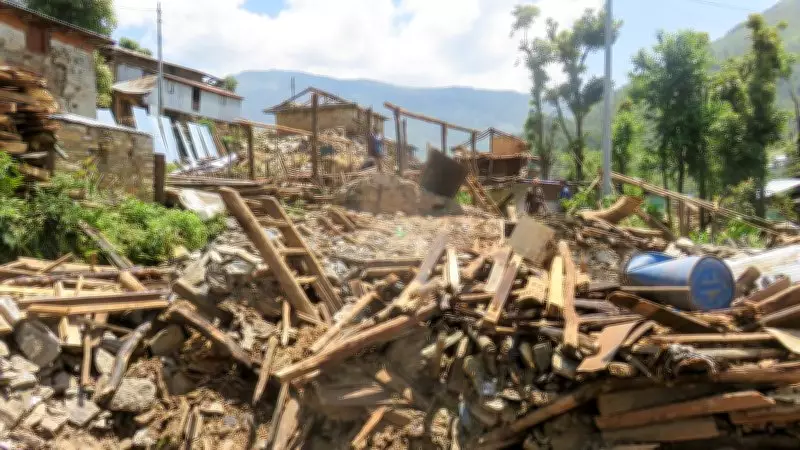
IIT Study Flags High Seismic Vulnerability for Kanpur and Prayagraj
A comprehensive study conducted by the Indian Institute of Technology (IIT) has issued a stark warning, identifying the cities of Kanpur and Prayagraj in Uttar Pradesh as being at significant risk of severe damage in the event of a powerful earthquake. The research highlights critical vulnerabilities in the urban infrastructure and building stock of these densely populated areas.
Detailed Risk Assessment and Findings
The IIT study employed advanced seismic modeling and geological surveys to assess the potential impact of a major tremor. It concluded that both Kanpur and Prayagraj, due to their location and construction patterns, could experience extensive structural failures, leading to substantial loss of life and property. The analysis points to older buildings, inadequate enforcement of building codes, and high population density as primary factors amplifying the risk.
Key vulnerabilities identified include:

- Non-compliance with modern earthquake-resistant construction standards in many residential and commercial structures.
- Presence of soft soil conditions in certain areas, which can amplify ground shaking during seismic events.
- Lack of systematic retrofitting of critical infrastructure like hospitals, schools, and bridges.
Urgent Call for Proactive Measures
Researchers emphasize the urgent need for proactive disaster preparedness and mitigation strategies. They recommend immediate action on several fronts to reduce the potential catastrophic impact.
Recommended measures include:
- Strict enforcement and updating of building bylaws to incorporate seismic safety norms.
- Large-scale retrofitting programs for older, vulnerable buildings to enhance their earthquake resilience.
- Development and regular drills of comprehensive emergency response plans for rapid evacuation and relief.
- Public awareness campaigns to educate residents on earthquake safety practices and preparedness.
The study serves as a crucial reminder of the latent seismic threats in the region and underscores the importance of integrating risk reduction into urban planning and development policies. Authorities are urged to prioritize these findings to safeguard communities and infrastructure from future seismic disasters.