The Longest Hunger Strike in History
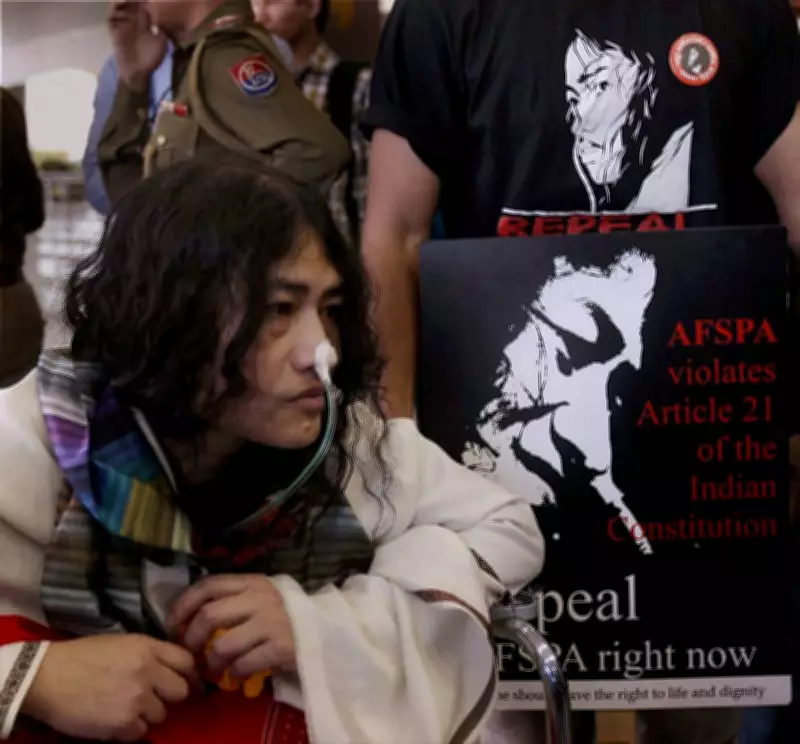
Irom Sharmila, known as the Iron Lady of Manipur, undertook the world's longest hunger strike lasting nearly 16 years—from 2000 to 2016—demanding the repeal of the Armed Forces Special Powers Act (AFSPA). Despite her epic fast, she now emphasizes that individual protest alone is insufficient; popular mobilisation and collective unity are crucial for success. Reflecting on the recent resignation of Education Minister Dharmendra Pradhan following protests by the Cockroach Janta Party (CJP), Sharmila noted that the government acquiesced because of cross-country support, demonstrating the power of united action.
Sharmila's Ordeal and the AFSPA Struggle
AFSPA, a colonial-era law, grants sweeping powers to Indian military personnel, including immunity from prosecution without central government clearance—a clearance never granted in the law's 70-year existence. Sharmila began her hunger strike in November 2000 and was immediately arrested under Section 309 of the Indian Penal Code for attempting suicide (since decriminalized). She was force-fed through a nasal drip up to three times daily with a liquid diet of protein, carbohydrates, and vitamins. Her detention was renewed annually in court, and she was kept in a hospital ward as her health deteriorated.
The Power and Limits of a Hunger Strike
In telephone interviews, Sharmila spoke softly but firmly, saying a hunger strike “harms nobody else except our own body” and that “they could not punish … that is the power” of the fast. She stressed that “collective unity for the cause and to work for change” is essential. However, she expressed disappointment that the massive mobilisation seen over the education issue never materialized for AFSPA. Some people, she believes, wanted to use her for publicity.

Ending the Fast and Moving On
Sharmila called off her hunger strike in 2016 and contested elections against Chief Minister O Ibobi Singh but lost overwhelmingly. This decision caused a rift with supporters who wanted her to continue fasting. She stated, “They did not want me except as a martyr … I did believe I would get support, but it never happened.” She left Manipur, married, and now lives in Bangalore with her husband and twin sons. Reflecting on her past, she remarked, “Our life's journey and feelings are always evolving… that was my cause in life.”
AFSPA Today and the Tyranny of Distance
Although AFSPA remains in force in parts of Jammu and Kashmir and the Northeast, it has been withdrawn from large areas of Assam and Nagaland where conditions have stabilized. Manipur, Sharmila's home state, is still under AFSPA and has suffered ethnic violence, which she described as “horrible.” She questioned why AFSPA was not applied during the Mumbai terror attacks or in Naxalite-hit areas if security were the real concern. Journalist Rajdeep Sardesai cited the “tyranny of distance” as a reason the movement failed—most Indians are not directly affected. Additionally, many hesitate to criticize the army, a pillar of national security.
The Contrast with the Education Protest
The recent education protest succeeded where Sharmila's fast did not, largely because it directly affected all Indians. The scale of outrage, media attention, and mobilisation in Delhi was unprecedented. Social media and digital technology played a spectacular role, elements largely absent during Sharmila's struggle. She now believes that individual sacrifice must be paired with broad-based collective action to achieve change.