

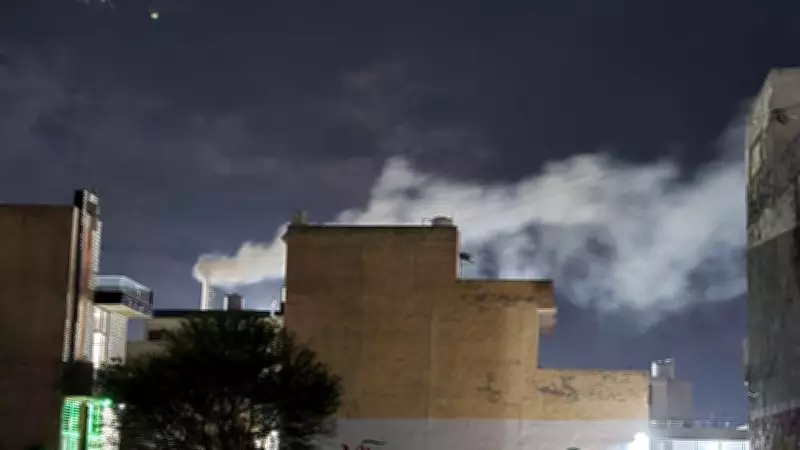
Jind Residents Rally Against Proposed Biogas Plant Near Bus Stand
In a significant development in Haryana, residents of Jind have launched a vocal opposition to a proposed biogas plant slated for construction near the city's bus stand. The project, intended to convert organic waste into renewable energy, is facing intense local backlash over fears of environmental degradation, increased traffic congestion, and potential safety hazards.
Growing Concerns Over Pollution and Public Safety
Local citizens argue that the plant's proximity to the bus stand, a bustling hub of daily activity, could lead to severe air and noise pollution, adversely affecting commuters, nearby businesses, and residential areas. Many residents have expressed worries about foul odors and the risk of accidents, given the plant's operations involving waste processing and gas production. Community leaders have highlighted that the area already struggles with traffic issues, and adding industrial activity could exacerbate these problems, posing risks to pedestrian and vehicular safety.
Project Details and Environmental Implications
The biogas plant is designed to process organic waste to generate clean energy, aligning with broader environmental goals to reduce landfill use and promote sustainability. However, opponents question the site selection, suggesting that a more remote location would mitigate public concerns. Proponents of the plant emphasize its potential to manage waste efficiently and contribute to renewable energy targets, but residents remain skeptical about the immediate impact on their quality of life.

Community Response and Official Reactions
Protests have included public meetings and petitions, with residents demanding a relocation of the plant or a thorough reassessment of its environmental impact. Local authorities have acknowledged the concerns and are reportedly reviewing the project in light of public feedback. The situation underscores a common challenge in urban planning: balancing infrastructure development with community welfare. As discussions continue, the outcome will likely influence future projects in Haryana and beyond, highlighting the need for inclusive decision-making processes.






