Kalyan-Dombivli Municipal Corporation: Revisiting the 2015 Election Results
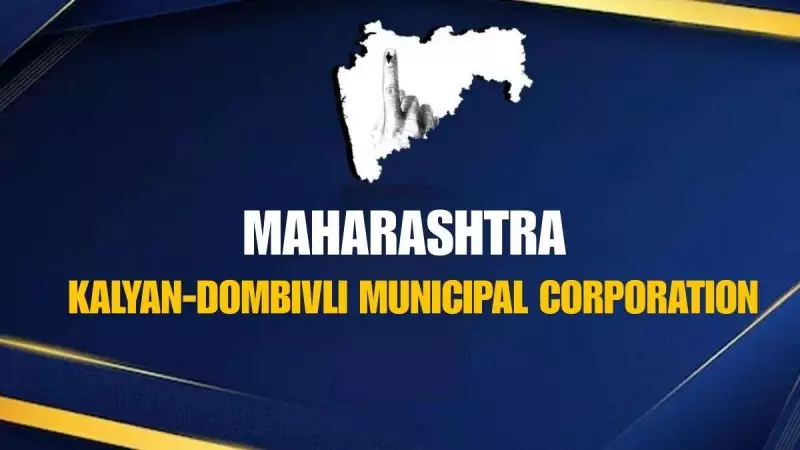
The Kalyan-Dombivli Municipal Corporation (KDMC) elections in 2015 marked a pivotal moment in the political landscape of this key urban area in Maharashtra. Voters headed to the polls to decide the future of their local administration, and the outcomes reshaped governance in the region.
Key Highlights from the 2015 Polls
In the 2015 elections, the Bharatiya Janata Party (BJP) emerged as a major force in the KDMC. The party secured a substantial number of seats, challenging the traditional dominance of other political groups. This shift reflected broader trends in Maharashtra politics at the time.
The Shiv Sena also performed strongly, maintaining its influence in the corporation. The competition between these parties added a dynamic edge to the electoral process. Other regional parties and independent candidates participated actively, contributing to a diverse political environment.

Impact on Local Governance
The election results directly influenced the functioning of the Kalyan-Dombivli Municipal Corporation. With new political alignments, the corporation faced both opportunities and challenges in addressing local issues. Key areas of focus included urban development, infrastructure projects, and public services.
Residents observed changes in policy implementation and administrative decisions post-election. The outcomes underscored the importance of local elections in shaping day-to-day life in cities like Kalyan and Dombivli.
Why the 2015 Elections Matter
The 2015 KDMC elections are significant for several reasons. They highlighted the growing role of national parties in municipal politics. They also set the stage for future electoral battles in the region.
Analysts often refer to these results when discussing political trends in Maharashtra. The elections demonstrated how local issues can drive voter behavior and influence broader political narratives.
Looking back, the 2015 polls remain a reference point for understanding the evolution of urban governance in Maharashtra. They remind us of the power of democratic processes at the grassroots level.