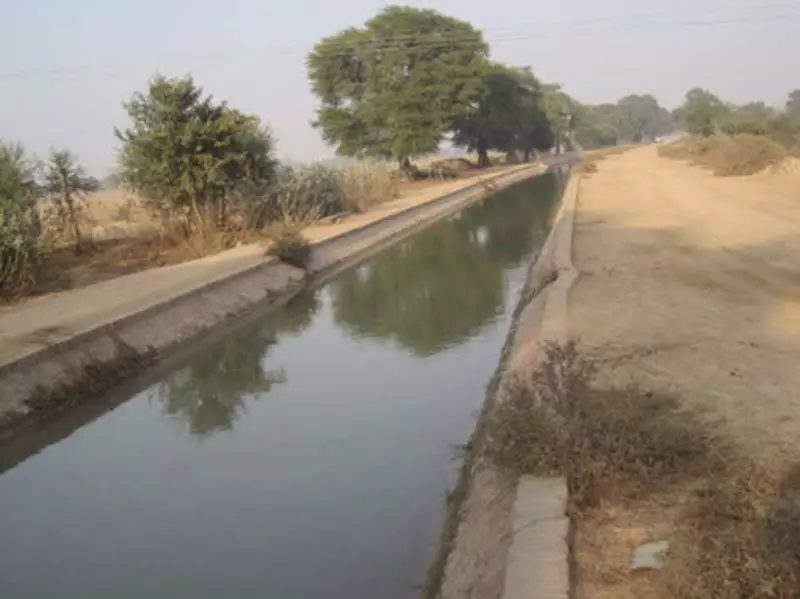
In a historic development for the farmers of Punjab's arid Kandi region, the long-dormant canals have finally begun to flow with water, ending a painful four-decade-long wait. The restoration of canal irrigation marks a transformative moment for agriculture in the districts of Pathankot and Gurdaspur, promising to alleviate chronic water scarcity and boost crop yields.
A Four-Decade Drought Ends
The revival of this crucial irrigation network is directly linked to the completion of the Shahpur Kandi Dam Project. For years, the canals in the Kandi belt, which encompasses over 300 villages, lay dry and neglected. Farmers were forced to rely entirely on erratic rainfall and the rapidly depleting groundwater, leading to unsustainable farming practices and economic distress.
The turning point came with the intervention of the Punjab government and persistent efforts by local representatives. Joginder Pal, a BJP leader from Pathankot, played a pivotal role in advocating for the project's completion. His consistent follow-up with state authorities and the irrigation department ensured that the final leg of the project received the necessary push. The dam's completion has now enabled the systematic release of water into the canal system, designed to serve the parched lands.

Immediate Impact and Farmer Elation
The arrival of canal water has been met with jubilation across the farming community. The initial phase has seen water reach key areas, including the Ranjit Sagar Dam feeder canal and the Upper Bari Doab Canal (UBDC) system. This network is now actively irrigating fields in numerous villages, providing a reliable and surface-water source for the first time in living memory for many young farmers.
The benefits are immediate and multifaceted. Firstly, it reduces the crippling dependence on tube wells, which will help in recharging the dangerously low groundwater table in the region. Secondly, it provides water security, allowing farmers to plan their crops with greater confidence. Thirdly, it is expected to reduce input costs significantly, as pumping groundwater is both energy-intensive and expensive.
Jaswinder Singh, a farmer from a village in the Kandi area, expressed the collective sentiment, stating that this is the dawn of a new era. He highlighted that access to canal water would not only save their diesel and electricity costs but also promise better yields for crops like maize, wheat, and pulses, which are staples of the region.
Broader Implications and Future Prospects
The restoration of canal irrigation is more than just an agricultural upgrade; it is a socio-economic lifeline. The Kandi region has historically lagged in development due to its difficult terrain and water scarcity. This project is poised to bridge that gap, enhancing the rural economy and potentially stemming the migration of youth from farming.
The successful execution also sets a precedent for resolving long-pending infrastructure projects through focused political and administrative will. It underscores the importance of completing inter-state projects like the Shahpur Kandi Dam, which had faced delays for years. The water now flowing through these canals symbolizes a triumph of perseverance over bureaucratic and technical hurdles.
Looking ahead, the focus will shift to the maintenance and equitable distribution of the water through the canal network. The irrigation department faces the task of ensuring that the system functions efficiently and reaches the tail-end villages. If managed well, this initiative could transform the Kandi belt into a more productive and sustainable agricultural zone, contributing to Punjab's overall food security and water conservation goals.
In conclusion, the gushing water in the canals of the Kandi belt after 40 years is a testament to what can be achieved with determined effort. It brings a wave of hope, promising greener fields, healthier finances for farmers, and a more secure future for a region long defined by its struggle for water.