

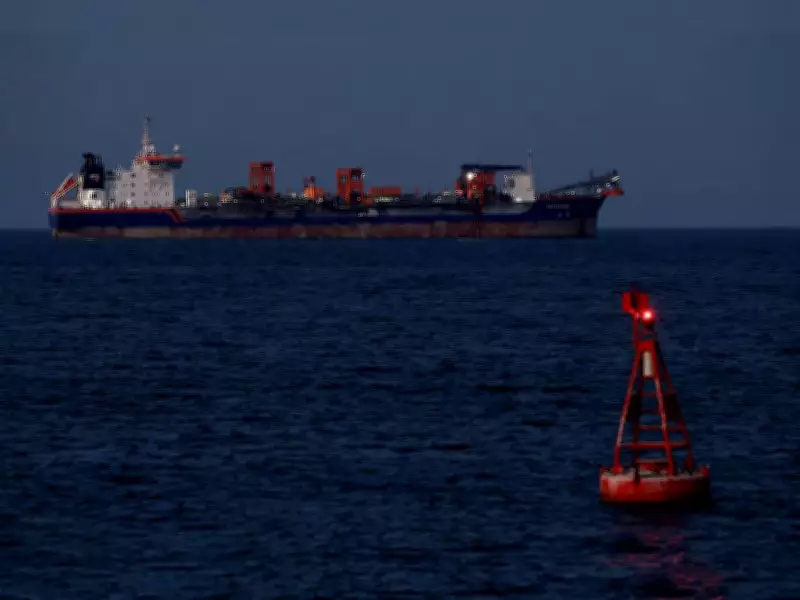
Iran's IRGC Establishes Lethal 'No-Move Zone' in Strategic Strait of Hormuz
In a significant escalation of maritime tensions, Iran's Islamic Revolutionary Guard Corps (IRGC) has reportedly enforced a deadly 'no-move zone' in the Strait of Hormuz, a critical global oil shipping chokepoint. According to recent reports, the IRGC has issued a stark warning to vessels navigating these waters: remain silent or be targeted. This move underscores Iran's assertive military posture in the region and raises concerns over potential disruptions to international trade and energy supplies.
Details of the IRGC's Enforcement Actions
The IRGC, a powerful branch of Iran's armed forces, has implemented this zone as part of its broader strategy to assert control over the strait, through which approximately one-fifth of the world's oil passes. Sources indicate that the enforcement involves:
- Increased Patrols: IRGC naval units have heightened their presence, conducting frequent patrols to monitor and intercept suspicious activities.
- Strict Communication Protocols: Vessels are being instructed to maintain radio silence or risk being identified as hostile, leading to potential targeting.
- Lethal Consequences: The IRGC has made it clear that any perceived threats or violations could result in immediate military action, including the use of force.
This development follows a series of incidents in the region, where Iran has previously seized or harassed commercial ships, often in response to geopolitical tensions with Western nations. The 'no-move zone' is seen as a direct message to the international community, particularly the United States and its allies, about Iran's readiness to defend its interests.

Implications for Global Maritime Security
The enforcement of this zone has far-reaching implications for global security and the economy. Key points include:
- Risk to Oil Shipping: Any disruption in the Strait of Hormuz could lead to spikes in oil prices, affecting global markets and energy-dependent economies.
- Increased Military Tensions: This move heightens the risk of accidental clashes between Iranian forces and foreign navies, such as those from the U.S. or European countries, which regularly operate in the area.
- Impact on Regional Stability: It adds to the volatile security environment in the Middle East, potentially exacerbating conflicts and diplomatic standoffs.
Experts warn that the IRGC's actions could provoke a stronger international response, including sanctions or military deployments, further complicating efforts to de-escalate tensions. The situation remains fluid, with ongoing monitoring by global security agencies.
Broader Context and Historical Precedents
This is not the first time Iran has asserted control over the Strait of Hormuz. Historically, the IRGC has used such tactics to signal its military capabilities and political resolve. For instance, during periods of heightened U.S.-Iran tensions, Iran has threatened to close the strait, though it has not fully done so. The current 'no-move zone' represents a more aggressive and localized approach, focusing on enforcement rather than mere rhetoric.
Iran's motivations are multifaceted, likely driven by domestic political pressures, regional rivalries, and a desire to counter perceived Western encirclement. The IRGC, known for its hardline stance, often takes the lead in such provocations, aligning with Iran's broader foreign policy objectives.
As the situation evolves, the international community is urged to exercise caution and engage in diplomatic channels to prevent escalation. The Strait of Hormuz remains a flashpoint, and any miscalculation could have dire consequences for global peace and economic stability.






