

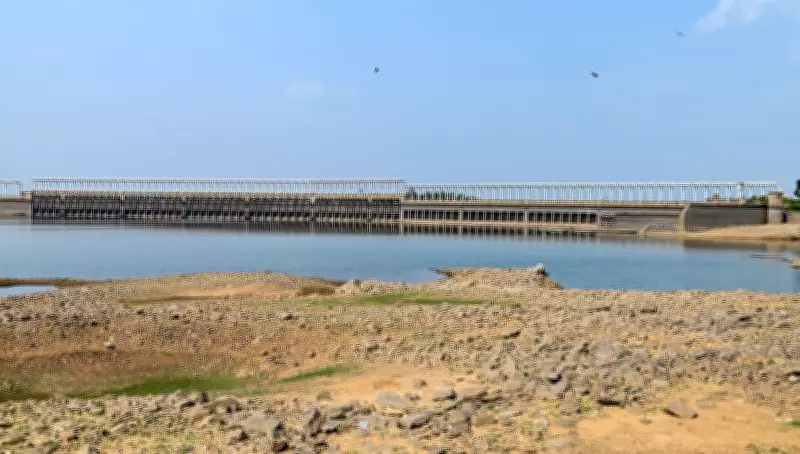
Karnataka's 14 Major Reservoirs See Water Levels Plummet to Just 36%
In a concerning development for the state of Karnataka, water levels across its 14 major reservoirs have dropped significantly, reaching only 36% of their total combined capacity. This sharp decline has triggered alarms among officials and residents alike, as it poses a serious threat to the availability of drinking water and irrigation resources in the coming months.
Current Reservoir Status and Capacity Details
The reservoirs, which are critical for sustaining agriculture, industry, and daily life in Karnataka, are currently holding far less water than usual for this time of year. According to recent data, the total live storage across these 14 key water bodies has fallen to approximately 36% of their full capacity. This marks a substantial decrease compared to previous years and highlights the growing water stress in the region.
Among the affected reservoirs are prominent ones like the Krishna Raja Sagara (KRS) dam, the Tungabhadra reservoir, and the Almatti dam, all of which play pivotal roles in water distribution across various districts. The reduced levels are attributed to a combination of factors, including below-average monsoon rainfall, increased evaporation rates due to higher temperatures, and ongoing water withdrawals for agricultural and domestic use.

Implications for Drinking Water and Agriculture
The dwindling water reserves have raised immediate concerns over the supply of drinking water to urban and rural areas. Cities such as Bengaluru, Mysuru, and Hubballi-Dharwad rely heavily on these reservoirs, and authorities are now forced to consider stringent water conservation measures and potential rationing to manage the shortfall.
In the agricultural sector, the situation is equally dire. Farmers in Karnataka, who depend on reservoir water for irrigating crops like paddy, sugarcane, and pulses, are facing uncertainty as the summer season approaches. The low water levels could lead to reduced crop yields, impacting food security and the state's economy. Officials are urging farmers to adopt water-efficient practices and explore alternative sources to mitigate the crisis.
Government Response and Future Outlook
In response to the alarming drop in reservoir levels, the Karnataka government has initiated several measures to address the water scarcity. These include:
- Monitoring water usage and implementing stricter regulations on withdrawals from reservoirs.
- Promoting rainwater harvesting and groundwater recharge projects to supplement water supplies.
- Coordinating with local authorities to ensure equitable distribution of available water resources.
- Exploring inter-state water sharing agreements, though this remains a complex and politically sensitive issue.
Looking ahead, meteorologists and water management experts warn that if the upcoming monsoon season fails to bring adequate rainfall, the situation could worsen, leading to more severe water shortages. They emphasize the need for long-term strategies, such as improving water storage infrastructure, enhancing watershed management, and raising public awareness about conservation.
As Karnataka grapples with this water crisis, the focus is on proactive management and community cooperation to navigate the challenging months ahead. The state's ability to sustain its water needs will be crucial for its residents' well-being and economic stability.






