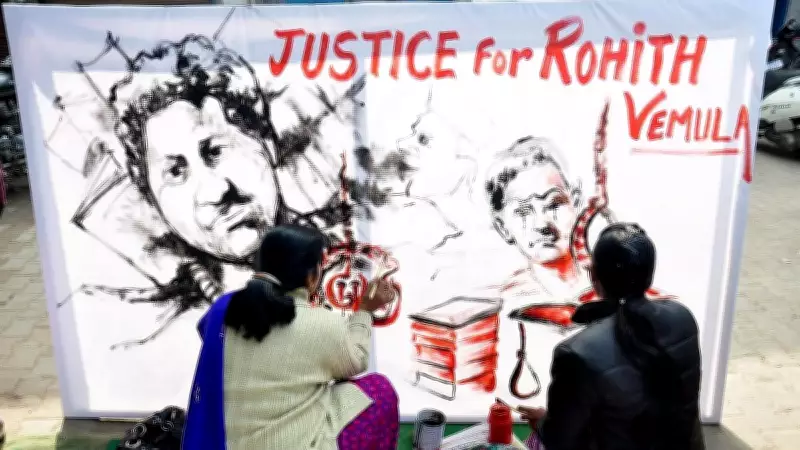
Karnataka Government Poised to Preserve Core Elements of Rohith Vemula Bill
The Karnataka government is reportedly leaning towards retaining the majority of provisions outlined in the Rohith Vemula Bill, a significant legislative proposal designed to combat caste-based discrimination within the state's higher education institutions. This development comes as authorities review the bill's framework to ensure it effectively addresses systemic issues highlighted by past incidents.
Background and Significance of the Bill
The bill is named in memory of Rohith Vemula, a PhD scholar at the University of Hyderabad, whose tragic suicide in January 2016 sparked a nationwide movement against caste oppression and discrimination in academic settings. His death brought to light the urgent need for stronger protections and support mechanisms for marginalized students, prompting calls for legislative action.
Key aspects of the bill likely to be upheld include:

- Anti-discrimination measures to prevent caste-based harassment in universities and colleges.
- Support systems for students from disadvantaged backgrounds, including financial aid and counseling services.
- Accountability mechanisms for educational institutions to report and address discrimination cases promptly.
Current Developments and Government Stance
Sources indicate that the Karnataka government is conducting a thorough assessment of the bill's provisions to align them with existing state policies and national guidelines. While minor adjustments might be considered to enhance implementation, the core objectives are expected to remain intact. This move underscores the state's commitment to fostering an inclusive educational environment and upholding social justice principles.
Officials have emphasized that the bill aims to create a safer and more equitable academic landscape, drawing lessons from Rohith Vemula's case to prevent similar tragedies. The retention of most provisions reflects a broader effort to integrate anti-discrimination frameworks into Karnataka's governance, potentially serving as a model for other states.
Implications for Higher Education in Karnataka
If the bill is enacted with its key provisions preserved, it could lead to significant reforms in how educational institutions handle caste-related issues. Universities and colleges may be required to establish dedicated committees to monitor discrimination, provide training for staff and students on diversity and inclusion, and ensure transparent grievance redressal processes.
This legislative step is seen as a crucial response to ongoing challenges in higher education, where marginalized communities often face barriers to access and success. By reinforcing the bill's provisions, Karnataka aims to promote academic excellence through equity, potentially improving retention rates and overall student well-being.
As discussions continue, stakeholders, including student groups and civil society organizations, are closely watching the government's decisions, hoping for robust enforcement to honor Rohith Vemula's legacy and advance social justice in education.