Kerala's Electoral Test: Freebies vs. Politics of Dignity in India's Southern State
The political landscape of Kerala, a state in southern India, is undergoing a significant transformation as it grapples with an electoral test that pits traditional dignity-based politics against the rising tide of populist freebies. This clash is reshaping voter expectations and forcing political parties to reconsider their strategies in a region known for its high literacy rates and politically aware electorate.
The Rise of Freebies in Kerala's Political Arena
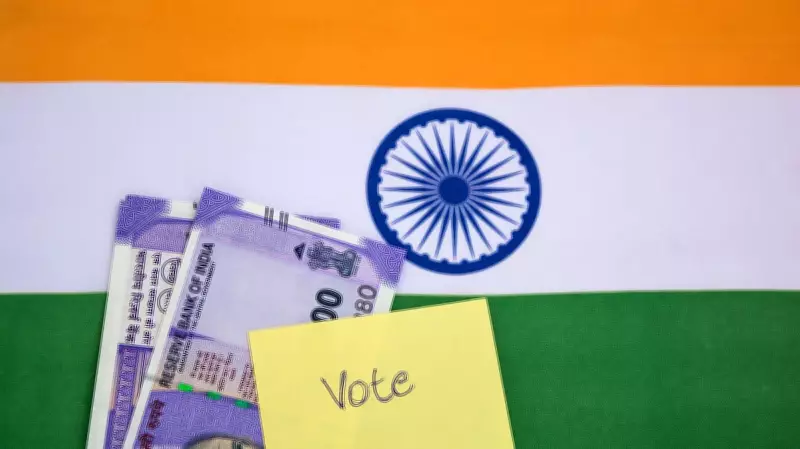
In recent years, the distribution of freebies has become an increasingly prominent feature in Kerala's electoral campaigns. Political parties across the spectrum are offering a range of incentives, from cash transfers and subsidized goods to promises of free utilities and services. This trend mirrors a broader national shift towards populist measures aimed at securing voter support, but in Kerala, it collides with a long-standing political culture that emphasizes dignity and social justice.
The proliferation of freebies is driven by intense competition among parties, with each trying to outdo the other in offering tangible benefits to voters. This has led to a scenario where electoral promises often focus on immediate material gains rather than long-term developmental goals. Critics argue that this approach undermines the state's tradition of issue-based politics and risks creating a dependency culture among the electorate.

The Tradition of Dignity-Based Politics
Kerala has historically been a bastion of dignity-based politics, where movements have centered on rights, social empowerment, and equitable development. The state's political discourse has often revolved around themes like land reforms, education, healthcare, and workers' rights, which are seen as essential for upholding human dignity. This approach has contributed to Kerala's high social development indicators, including literacy and life expectancy, setting it apart from many other Indian states.
Political parties in Kerala have traditionally leveraged this narrative, appealing to voters' sense of self-respect and collective progress. However, the influx of freebies is challenging this model, as voters increasingly demand immediate benefits over abstract ideals of dignity. This shift is forcing parties to balance their ideological commitments with pragmatic electoral tactics, leading to a reevaluation of campaign strategies.
Impact on Voter Behavior and Electoral Outcomes
The intersection of freebies and dignity-based politics is having a profound impact on voter behavior in Kerala. On one hand, freebies are appealing to sections of the population facing economic hardships, offering quick relief and tangible rewards. On the other hand, many voters remain loyal to the ideals of dignity and social justice, viewing freebies as a superficial solution that fails to address systemic issues.
This dynamic is creating a polarized electorate, with parties struggling to craft messages that resonate across different segments. Electoral outcomes are becoming more unpredictable, as voters weigh short-term gains against long-term aspirations. The test for Kerala's political system lies in whether it can integrate freebies into a broader framework of dignity-based development, rather than allowing them to dominate the political discourse.
Broader Implications for Indian Politics
Kerala's electoral test is not an isolated phenomenon; it reflects broader trends in Indian politics, where freebies have become a contentious issue at the national level. The debate over their economic viability and ethical implications is intensifying, with some arguing that they foster fiscal irresponsibility, while others see them as essential for social welfare. In Kerala, this debate is further complicated by the state's unique political history and social fabric.
As Kerala navigates this electoral test, it could serve as a bellwether for other states in India, offering insights into how dignity-based politics can adapt to the age of populism. The outcome may influence political strategies nationwide, highlighting the need for a balanced approach that combines immediate benefits with sustainable development goals.

In conclusion, Kerala's electoral test represents a critical juncture in Indian politics, where the clash between freebies and dignity-based politics is redefining voter expectations and party strategies. The state's ability to reconcile these competing forces will not only shape its own future but also provide lessons for the broader political landscape in India.