

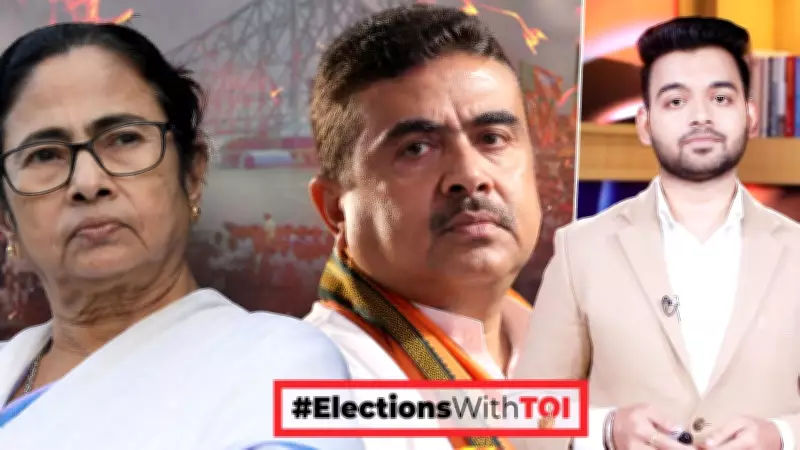
Key Leaders Shaping West Bengal's 2026 Assembly Election Battle
The West Bengal Assembly elections scheduled for 2026 are poised to be a defining political contest, with a diverse array of established leaders and emerging figures set to influence the electoral landscape. This election represents a critical juncture in the state's politics, where strategic leadership, organizational strength, and voter engagement will be paramount.
Trinamool Congress Leadership Under Mamata Banerjee
Chief Minister Mamata Banerjee continues to lead the All India Trinamool Congress (TMC) campaign, leveraging her extensive political experience and grassroots connect. Her leadership remains central to the party's strategy, aiming to consolidate support across various demographics. Senior TMC leaders such as Firhad Hakim and Aroop Biswas are expected to play pivotal roles, particularly in urban constituencies where their influence and organizational skills could sway voter sentiment.
BJP's Challenge Led by Suvendu Adhikari
On the opposition front, Suvendu Adhikari heads the Bharatiya Janata Party's (BJP) challenge, bringing a formidable presence to the electoral fray. His leadership is complemented by other key BJP figures like Dilip Ghosh and Roopa Ganguly, who are instrumental in strengthening the party's outreach and mobilizing support across the state. Their efforts aim to capitalize on anti-incumbency sentiments and present a robust alternative to the ruling TMC.

Other Influential Players in the Electoral Arena
The electoral landscape is further complicated by the presence of other political actors. Congress leader Adhir Ranjan Chowdhury adds another layer to the contest, potentially influencing vote shares in specific regions. Independent players like Humayun Kabir also contribute to the complexity, representing local interests and possibly acting as swing factors in closely contested constituencies.
Broader Political Narratives and Decisive Factors
This election reflects a broader clash of political narratives, where issues of governance, development, and regional identity are likely to dominate discourse. Key factors expected to play decisive roles include:
- Leadership Charisma: The personal appeal and track records of top leaders like Mamata Banerjee and Suvendu Adhikari.
- Organizational Prowess: The ability of parties to mobilize resources and volunteers effectively.
- Voter Connect: Strategies to engage with diverse voter bases, from urban centers to rural areas.
- Regional Dynamics: The influence of local leaders and issues on the overall electoral outcome.
As the 2026 elections approach, the interplay between these leaders and factors will shape West Bengal's political future, making it a closely watched battle with national implications.






