

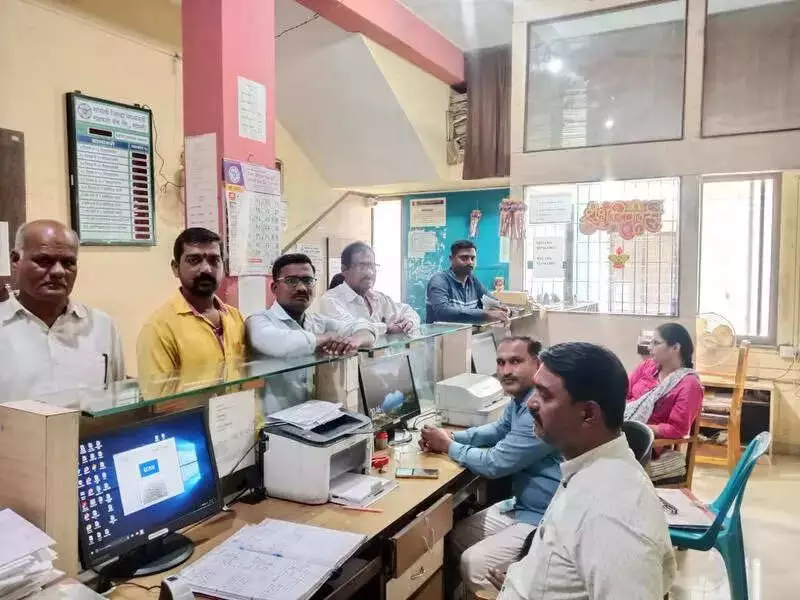
Farmers' representatives in Maharashtra have raised serious questions about a recent state government circular seeking specific data on crop loan dues, a move linked to fulfilling a major pre-election promise. The concerns revolve around the cutoff dates for the data and whether they will exclude many needy farmers from a potential waiver scheme.
The Circular and the Core Concern
The state cooperative department issued a circular on December 2, 2025, to all district central cooperative banks, except those in Mumbai. It asked for detailed information on two groups of farmers: those with crop loan dues only until June 30, 2025, and those who repaid their loans regularly between 2020 and 2025. This exercise is part of the work of an expert panel formulating a policy to deliver on the farm loan waiver promise made before the 2024 Assembly elections.
Farmers' leaders are now questioning the logic behind the June 30, 2025 cutoff. They argue that after Chief Minister Devendra Fadnavis declared the government would announce a waiver on July 1, 2026, many farmers expecting relief may have stopped repayments. This could render them ineligible if the policy is based on old data.

The Pardeshi Panel and Policy Formulation
The government formed a nine-member expert panel, headed by top bureaucrat and CM's chief economic adviser Pravin Pardeshi, following a major farmers' agitation in Nagpur. This Pardeshi Panel has been tasked with crafting the loan waiver policy. Officials confirmed that apart from cooperative banks, similar information has been sought from all banks that extended farm loans during the period.
Ajit Navale, general secretary of the All-India Kisan Sabha's Maharashtra unit, highlighted the dilemma. "Due to the poll promise, many farmers did not repay the loans. After the CM said the government would announce a loan waiver by June 30, 2026, most farmers who had earlier repaid loans regularly would have defaulted. The only remedy the government will have is to grant a total loan waiver till June 30, 2026," Navale stated.
Unjust Exclusions and Natural Calamities
Farmers' representatives also point to the injustice faced by those affected by natural disasters. Navale cited the heavy monsoon rains last year that significantly damaged kharif crops. "Such farmers are bound to default on crop loans. Even if they paid loans regularly before, they will not be eligible for a crop loan waiver and may not get a penny as incentive, which will be an injustice to them," he added.
The panel is expected to submit a status report with recommendations by the end of April. Subsequently, the government will draft the final policy, deciding on critical details like capping the loan amount—a feature of the past two waiver schemes—and determining incentives for regular payers. Deputy Chief Minister Ajit Pawar indicated that the budgetary allocation for the waiver would be announced in the state budget, slated for April.
According to preliminary estimates from the state cooperative department, as of June 30, 2025, farmers across Maharashtra had crop loan dues worth a staggering Rs 35,000 crore. These dues are for loans disbursed through district central cooperative banks.
A senior cooperation department official, speaking anonymously, explained the process: "The banks were given annexures to collect details on 86 counts to be filled on a portal being prepared by the MahaIT department. The data collection is ongoing and should be complete in about a month. The loan waiver policy will be declared later after studying these inputs."
This potential waiver follows two previous schemes: the Chhatrapati Shivaji Maharaj Shetkari Samman Yojana launched in 2017 by then-CM Devendra Fadnavis, and the Mahatma Phule Shetkari Karjmukti Yojana launched in 2019 by then-CM Uddhav Thackeray. The current exercise will determine the shape and scope of the third major agricultural debt relief initiative in the state.






